
What is an Energy Efficient Home? Top 10 Must-Have Features

What is an energy efficient home? An energy efficient home uses less energy to provide the same level of comfort and functionality as a traditional home. Key features include:
- High-quality insulation: Keeps heat in during winter and out during summer.
- Energy-efficient appliances and lighting: Certified by ENERGY STAR.
- Smart systems: Programmable thermostats and advanced HVAC.
- Renewable energy sources: Solar panels, geothermal systems.
- Tight construction: Techniques like air sealing to prevent drafts.
If you’re looking to reduce your environmental footprint while saving on utility bills, an energy efficient home is the future of sustainable living. These homes minimize energy consumption, lower greenhouse gas emissions, and create a comfortable living environment. They often incorporate net-zero design principles, aiming to produce as much energy as they consume over a year, thanks to renewable energy solutions like solar panels.
Here at Hutter Architects, we specialize in crafting such sustainable homes. I’m Pam Hutter, an accomplished Architect and Principal at Hutter Architects based in Chicago, Illinois. With a wealth of experience in designing energy-efficient homes, I guide clients through the complexities of sustainable building practices to realize their dream homes.
Stay tuned as we dive deeper into what makes a home energy efficient and how you can achieve this in your own living space.
Essential what is an energy efficient home terms:
– building an energy efficient home
– home energy audits
– energy efficient windows
What is an Energy Efficient Home?
Key Features of Energy Efficient Homes
An energy efficient home is designed to use less energy while maintaining comfort and functionality. Here are the key features that make it possible:
Thermal Insulation: Proper insulation in walls, ceilings, and floors keeps the home warm in winter and cool in summer. According to the Department of Energy, a well-insulated attic can cut heating and cooling costs by up to 50%.
Energy-Efficient Appliances: Appliances with the ENERGY STAR certification use less energy and water. For example, an ENERGY STAR certified refrigerator uses at least 15% less energy than non-certified models.
LED Lighting: LED bulbs use up to 90% less energy than traditional incandescent bulbs and last much longer.
Smart Control Systems: Programmable thermostats and smart HVAC systems optimize energy use by adjusting heating and cooling based on occupancy and time of day.
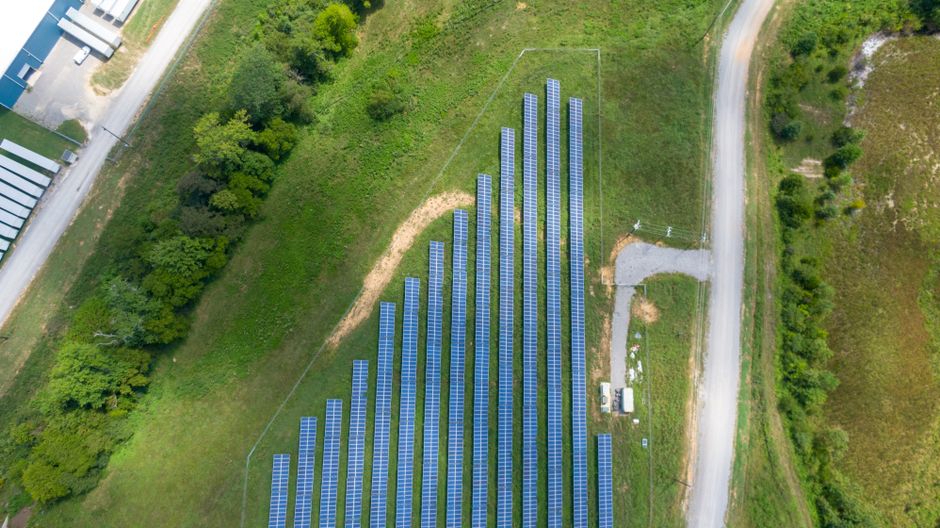
Renewable Energy Sources: Solar panels and geothermal systems can generate electricity and heat water, reducing reliance on non-renewable resources.
Benefits of Energy Efficient Homes
Living in an energy efficient home offers numerous benefits:
Cost Savings: Lower energy consumption means reduced utility bills. Homeowners who install solar panels can save between $20,000 and $97,000 over the lifetime of the panel system.
Increased Property Value: Energy-efficient features like high-performance windows and advanced HVAC systems make homes more attractive to buyers. According to the National Association of Realtors, homes with green features are increasingly in demand.
Reduced Carbon Footprint: By using less energy and incorporating renewable sources, energy efficient homes emit fewer greenhouse gases. LEED-certified homes, for example, use 20-30% less energy than traditional homes.
Improved Comfort: Better insulation, efficient HVAC systems, and well-designed ventilation keep the home at a comfortable temperature year-round.
Better Air Quality: Efficient ventilation systems filter out contaminants, providing cleaner air inside the home.

In summary, an energy efficient home reduces energy consumption, lowers greenhouse gas emissions, and provides sustainable living conditions. These homes not only save money but also contribute to a healthier environment and improved quality of life.
Next, we’ll explore the different types of energy efficient homes and how each type contributes to sustainable living.
Types of Energy Efficient Homes
Earth-Sheltered Homes
Earth-sheltered homes are built either partially or entirely underground. These homes use the earth as a natural insulator, maintaining a consistent indoor temperature year-round. This makes them incredibly energy-efficient.
- Underground Construction: Homes built entirely underground benefit from the earth’s stable temperature, which reduces the need for heating and cooling.
- Bermed Homes: These homes are covered with earth on one or more sides. This design provides similar insulation benefits while allowing for more natural light.
Durability: Earth-sheltered homes are protected from extreme weather, making them more durable and long-lasting.
Straw Bale Homes
Straw bale homes use bales of straw as the primary building material for walls, offering excellent insulation properties.
- Insulating Properties: Straw bales provide high insulation, reducing the need for additional heating and cooling. Tests show R-values ranging from R-20 to R-50.
- Structural Framework: There are two main types: non-load-bearing (post-and-beam) and load-bearing (Nebraska style).

Building Codes and Community Acceptance: Building a straw bale home can face challenges like local building code approvals and community acceptance. However, they are becoming more recognized as a viable construction method.
Log Homes
Log homes are built from solid wood logs, which serve as both structure and insulation.
- Solid Wood Logs: The thermal mass of the logs helps maintain a consistent indoor temperature, making these homes energy-efficient.
- Design Care: Proper design and construction are crucial for achieving energy efficiency.
- Construction Maintenance: Regular maintenance is needed to ensure the home remains energy-efficient over time.

Manufactured Homes
Manufactured homes are built to the U.S. Department of Housing and Urban Development (HUD) Code and constructed on a permanent chassis.
- HUD Code: Ensures that these homes meet specific safety and energy standards.
- Permanent Chassis: Allows the home to be moved if necessary.
- Energy-Efficient Improvements: Owners can improve energy efficiency by adding features like caulking, weather stripping, and ENERGY STAR-rated appliances.
Passive Homes
Passive homes are designed to use minimal energy for heating and cooling by leveraging the building’s orientation, insulation, and ventilation.
- Climatic Conditions: Takes advantage of local climate to reduce energy use.
- Solar Heating and Cooling: Uses passive solar design to maintain comfortable temperatures year-round.
Energy Plus Houses
Energy plus houses generate more energy than they consume through renewable energy sources like solar panels and wind turbines.
- Renewable Energy Systems: These homes often incorporate solar panels, wind turbines, and other renewable energy technologies.
- Energy Generation: The excess energy produced can be sold back to the grid, providing additional income for homeowners.
Self-Sufficient Homes
Self-sufficient homes aim to operate independently from public utilities by using renewable energy sources and sustainable practices.
- Water Conservation: Uses rainwater collection systems and greywater recycling.
- Energy Independence: Relies entirely on renewable energy sources like solar and wind power.
These types of energy-efficient homes not only reduce energy consumption but also contribute to a sustainable future. Next, we’ll dive into how to build an energy-efficient home, covering the whole-house systems approach, advanced house framing, cool roofs, and passive solar design.
How to Build an Energy Efficient Home
Building an energy-efficient home is about making smart choices at every stage of the process. From the initial design to the materials used, each decision impacts the home’s overall efficiency. Here’s how to do it:
Whole-House Systems Approach
A whole-house systems approach looks at your home as one interconnected system. This means considering how each part affects the others.
- Appliances: Choose energy-efficient models to reduce electricity consumption.
- Insulation: Proper insulation reduces the need for heating and cooling, keeping your home comfortable year-round.
- Lighting: Use LED bulbs and take advantage of natural daylighting to cut down on energy use.
- Heating and Cooling: Invest in efficient systems and smart thermostats to manage your home’s temperature more effectively.
- Water Heating: Opt for tankless water heaters or solar water heaters to save energy.
- Windows and Doors: High-performance windows and doors can prevent drafts and keep your home well-insulated.
This approach ensures that all components of the house work together to maximize energy efficiency.
Advanced House Framing
Advanced house framing, also known as optimum value engineering, is a method that reduces lumber use and waste while improving energy efficiency.
- Lumber Use Reduction: Uses less wood without compromising structural integrity.
- Waste Reduction: Minimizes construction waste, making the building process more sustainable.
- Maximized Insulation Space: Allows for more insulation, which improves thermal performance.
- Minimized Thermal Bridging: Reduces areas where heat can escape, enhancing overall efficiency.
This technique not only saves on material costs but also improves the energy efficiency of your home.
Cool Roofs
A cool roof is designed to reflect more sunlight and absorb less heat than a standard roof.
- Reflective Materials: Uses materials like reflective paint, tiles, or shingles to reflect more sunlight.
- Heat Absorption Reduction: Keeps your home cooler naturally during hot weather.
- Cooling Efficiency: Reduces the need for air conditioning, lowering energy bills.
Cool roofs are particularly beneficial in hot climates where air conditioning costs can be high.
Passive Solar Design
Passive solar design takes advantage of the sun’s energy without mechanical systems.
- Climatic Conditions: Uses the local climate to reduce energy use.
- Site Conditions: Considers the home’s orientation and surrounding environment.
- Solar Heating: Strategic window placement captures sunlight in the winter.
- Solar Cooling: Provides shade in the summer using overhangs and landscaping.
- Thermal Mass Materials: Materials like concrete or brick store and distribute heat efficiently.
Homes designed with passive solar principles can reduce heating and cooling costs by up to 30%.
By incorporating these advanced design techniques, you can significantly improve your home’s energy performance and contribute to a more sustainable future. Next, we’ll explore the top 10 energy-efficient home features that buyers are looking for.
Top 10 Energy Efficient Home Features
Landscaping and Shade
Landscaping isn’t just for looks. Trees and shrubs can actually cool your home by blocking direct sunlight. Planting trees on the west side of your home can reduce temperatures by about six degrees, making a big difference in your energy bills. Deciduous trees are ideal because they provide shade in summer and let in light during winter.
Energy-Efficient HVAC
Heating and cooling account for almost half of a home’s energy use. Upgrading to an energy-efficient HVAC system can save a lot. Consider a heat pump, which uses up to 50% less electricity than conventional systems. Look for smart HVAC systems with high SEER ratings to maximize efficiency.
Proper Ventilation Systems
Good ventilation keeps the air clean and helps regulate temperature. Start with windows and fans that improve air movement. Sealing gaps around doors and windows with weatherstripping and air sealing can prevent drafts and keep your home comfortable.
Green Technology
Smart technology can make your home more energy-efficient. Smart AC controllers, thermostats, bulbs, and blinds all help reduce energy use. These devices learn your habits and adjust settings automatically to save energy.
Insulation
Proper insulation is crucial for maintaining temperature. Check your attic, walls, and any areas where air might leak. Insulation reduces the need for heating and cooling, cutting energy consumption by up to 16%.
Eco-Friendly Roofing Materials
Your roof plays a big role in your home’s energy efficiency. Eco-friendly roofing materials can reflect more sunlight and absorb less heat, keeping your home cooler. This reduces the need for air conditioning and lowers energy bills.
Energy-Efficient Lighting
Switching to LED lightbulbs can reduce your lighting energy use by 75%. Position windows to take advantage of natural light, reducing the need for artificial lighting during the day.
Water Conservation
Greywater systems recycle water from sinks, showers, and washing machines for use in toilets and gardens. This can cut your water bill by 50%. Installing low-flow fixtures also helps conserve water.
Solar Features
Solar panels are a popular choice for reducing energy bills and greenhouse gas emissions. They convert sunlight into electricity, which can power your home. Before installing, ensure your roof gets plenty of sunlight for maximum efficiency.
Smart Systems
Smart thermostats and lighting systems learn your behavior and adjust settings to save energy. These systems make it easy to manage your home’s energy use, even when you’re not there.
By incorporating these features, you can make your home more energy-efficient, comfortable, and environmentally friendly. Next, we’ll answer some frequently asked questions about energy-efficient homes.
Frequently Asked Questions about Energy Efficient Homes
What is an energy efficient home?
An energy efficient home is designed to use less energy for heating, cooling, lighting, and appliances. This reduces energy waste and lowers utility bills.
Key Features:
– Thermal Insulation: Keeps the home warm in winter and cool in summer.
– Energy-Efficient Appliances: Uses less electricity than traditional models.
– LED Lighting: Consumes 75% less energy than incandescent bulbs.
– Smart Control Systems: Automates heating, cooling, and lighting to save energy.
– Renewable Energy Sources: Solar panels and wind turbines reduce reliance on non-renewable energy.
Example: A home with high-performing windows, airtight construction, and ENERGY STAR certified appliances is more energy-efficient and comfortable.
What are the benefits of an energy efficient home?
Cost Savings: Lower energy bills due to reduced energy consumption.
Increased Property Value: Energy-efficient homes often sell for more. They show a commitment to sustainability, which is attractive to buyers.
Reduced Carbon Footprint: Lower energy use means fewer greenhouse gas emissions, making your home kinder to the environment.
Improved Comfort: Better insulation and efficient heating and cooling systems make the home more comfortable year-round.
Better Air Quality: Proper ventilation and air sealing improve indoor air quality, reducing allergens and pollutants.
Fact: According to the U.S. Department of Energy, proper insulation can cut heating and cooling costs by up to 50%.
How can I make my home more energy efficient?
Conduct a Home Energy Audit: Identify areas where your home is losing energy and get recommendations for improvements.
Upgrade to Energy-Efficient Appliances: ENERGY STAR certified appliances use 10-50% less energy than traditional models.
Install LED Bulbs: Save roughly $225 in energy costs each year by switching to LED lighting.
Use a Smart Thermostat: Save up to 8% on annual heating and cooling bills by controlling your home’s temperature remotely.
Improve Insulation: Insulate your attic, walls, and basement to reduce the need for heating and cooling.
Install Low-Flow Fixtures: Save about 700 gallons of water per year with low-flow faucets and showerheads.
Invest in Renewable Energy: Solar panels can significantly reduce your electricity bills and your carbon footprint.
Example: Replacing traditional light bulbs with LED bulbs and installing a smart thermostat can make a noticeable difference in your energy bills and overall home comfort.
By taking these steps, you can make your home more energy-efficient, reduce your environmental impact, and save money.
Conclusion
At Hutter Architects, we are dedicated to creating homes that are not just buildings but sustainable living spaces designed to last. Our approach integrates energy-efficient design and environmental sustainability to ensure that your home is both comfortable and eco-friendly.
Future-Proof Homes
We believe in designing homes that stand the test of time. This means using durable materials and timeless aesthetics to minimize the need for frequent renovations. Our designs are flexible and adaptable, allowing spaces to evolve with the changing needs of their inhabitants. For instance, rooms can be easily converted from one function to another without major renovations.
Energy-Efficient Design
Achieving net-zero energy is a pinnacle goal for us. We incorporate energy-efficient building strategies such as advanced insulation techniques, high-performance windows, and smart home technologies. These features reduce overall energy consumption and improve comfort. We also optimize natural light and use energy-efficient appliances to further lower the energy footprint of our homes.
Environmental Sustainability
Environmental sustainability is at the core of our design philosophy. We use sustainable materials like recycled steel, responsibly sourced wood, and non-toxic finishes. Our designs often include features like rooftop gardens and greenhouses, which contribute to biodiversity and reduce the environmental impact of our buildings.
By choosing Hutter Architects, you are investing in a home that balances eco-friendliness with modern comforts. Our commitment to sustainable design ensures that your home will not only save you money on energy costs but also contribute to a healthier planet.
To learn more about how we can help you design a sustainable, energy-efficient home, visit our Sustainable Building Design page.
Join us in embracing a greener future, one innovative design at a time.


