
Urban green space planning: Top Strategies for 2025 Success
Urban green space planning is key to designing cities that thrive. As more people move to urban areas, the demand for sustainable living environments grows. Urban green space planning involves creating parks, gardens, and natural areas within cities to improve quality of life and foster ecological balance. This approach not only improves air quality but also boosts community well-being and offers climate resilience.
- Key Benefits of Urban Green Space Planning:
- Improves community health and well-being.
- Supports biodiversity and natural ecosystems.
- Offers climate mitigation and adaptation solutions.
- Provides recreational and leisure spaces for citizens.
Urbanization is reshaping how we think about sustainability in cities. Green infrastructure such as parks, green roofs, and community gardens play a crucial role in reducing urban heat and managing stormwater. Investing in these strategies yields vibrant, sustainable urban environments for current and future generations.
I am Pam Hutter, Principal of Hutter Architects in Chicago, IL. With a keen focus on sustainable design, I’ve guided numerous projects that integrate urban green space planning to balance eco-friendly solutions with modern aesthetics. Transitioning to the next sections, we’ll explore the importance and strategic approaches to urban green spaces, followed by inspiring case studies of successful implementations.
Importance of Urban Green Space Planning
Urban green spaces are more than just patches of grass or clusters of trees; they are vital components of a thriving city. Urban green space planning is crucial for enhancing quality of life, delivering environmental benefits, and fostering social well-being.
Quality of Life
Green spaces in cities offer a sanctuary from the hustle and bustle of urban life. They provide areas for relaxation, recreation, and connection with nature. Studies show that access to parks and gardens can reduce stress and improve mental health. In fact, a project called NORDGREEN found that people living near green areas reported better health and well-being.
Benefits to Quality of Life:
- Mental Health: Nature reduces stress and anxiety.
- Physical Activity: Parks encourage exercise and outdoor activities.
- Community Interaction: Green spaces are social hubs where people gather.
Environmental Benefits
Urban green spaces are environmental powerhouses. They help cities breathe by improving air quality and reducing urban heat. Trees and plants act as carbon sinks, absorbing carbon dioxide and releasing oxygen. They also provide habitats for urban wildlife, supporting biodiversity.
Key Environmental Benefits:
- Air Quality Improvement: Trees filter pollutants from the air.
- Climate Regulation: Green areas reduce the urban heat island effect.
- Biodiversity: Parks and gardens support various plant and animal species.
Social Benefits
Green spaces are essential for building strong communities. They promote social inclusion by providing accessible areas for people of all ages and backgrounds to enjoy. Community gardens, for instance, bring people together to grow food, share knowledge, and foster a sense of belonging.
Social Advantages:
- Community Building: Shared spaces encourage interaction and cooperation.
- Cultural Events: Parks host concerts, festivals, and gatherings.
- Educational Opportunities: Green spaces offer learning experiences about nature and sustainability.
In summary, urban green space planning is not just about beautifying cities. It’s about creating healthier, more sustainable, and socially vibrant urban environments. As we continue to explore green space strategies and successful case studies, the impact of these initiatives becomes even clearer.
Strategies for Effective Urban Green Space Planning
Creating vibrant cities requires thoughtful urban green space planning. Let’s explore some key strategies that transform cities into greener, healthier places to live.
Blue-Green Areas
Blue-green areas combine water features (like rivers and ponds) with green spaces (such as parks and forests). This approach not only beautifies cities but also improves their ecological resilience. For example, integrating blue-green areas helps manage stormwater naturally, reducing flooding risks. In cities like Rotterdam, innovative blue-green designs have been employed to create multifunctional spaces that support both human activity and wildlife habitats.
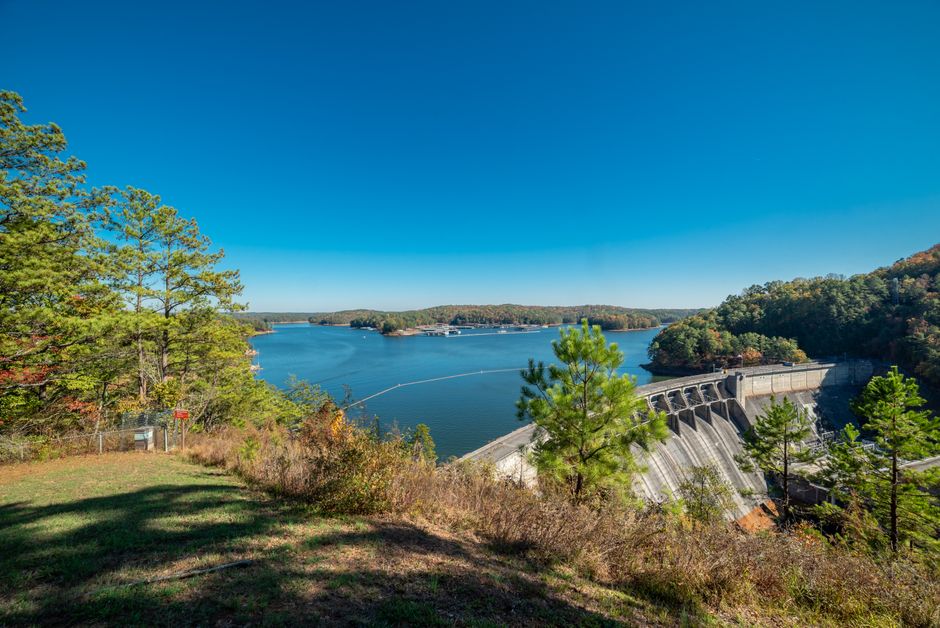
Benefits of Blue-Green Areas:
- Flood Management: Natural water absorption reduces urban flooding.
- Biodiversity: Provides habitats for diverse species.
- Recreation: Offers scenic spots for leisure and exercise.
Community Involvement
Involving the community is crucial for successful urban green space projects. Engaging local residents, NGOs, and city leaders ensures that the spaces meet the needs and desires of the community. This participatory approach was successfully used in the Netherlands, where a friendly competition between Amsterdam and Rotterdam encouraged citizens to remove concrete and add greenery, resulting in thousands of tiles being replaced with plants.
Ways to Involve the Community:
- Surveys and Workshops: Gather input on what people want in their green spaces.
- Collaborative Projects: Encourage community gardening or park clean-up events.
- Local Ambassadors: Appoint community members to champion green initiatives.
Strategic Planning
Strategic planning is about aligning green space initiatives with broader urban goals. It involves setting a long-term vision, integrating green spaces into urban master plans, and considering retrofitting existing areas. A great example is London’s green roof policy, which was integrated into the city’s development plan, demonstrating how strategic planning can lead to significant environmental improvements.
Elements of Strategic Planning:
- Vision and Goals: Define clear objectives for urban greening.
- Integration: Include green spaces in urban development plans.
- Adaptation: Retrofit existing structures to incorporate greenery.
By implementing these strategies, cities can move towards a future where urban green spaces are not just an afterthought but a central part of urban planning. As we look at successful case studies next, we’ll see these strategies in action.
Case Studies: Successful Urban Green Space Initiatives
To understand how urban green space planning can transform cities, let’s look at some inspiring examples from around the world, including insights that can be applied to cities like Chicago.
Copenhagen: A Green Vision
Copenhagen is a shining example of how a city can prioritize green spaces. In 2015, the city adopted the “Urban Nature in Copenhagen 2015-2025” policy. This ambitious plan aims to both increase and improve urban nature. The city’s goals include planting 100,000 new trees and integrating green roofs and facades.
One standout project is Bryggervangen and Sankt Kjeld’s Square. Completed between 2016 and 2019, this urban space combines climate adaptation with recreational areas. It’s a place where nature and city life blend seamlessly, providing a biodiverse and sustainable environment for residents.
London: A Green Infrastructure Leader
London has also made impressive strides in urban greening. The city’s environment strategy includes creating a low carbon circular economy and promoting green infrastructure. One innovative approach is the creation of mini-forests. These small patches of urban land are transformed into thriving ecosystems using the Miyawaki method. This method involves planting native species in small areas, which grow quickly and improve biodiversity.
London’s commitment to green spaces is also evident in its green roof policy. This initiative encourages the development of green roofs across the city, which help reduce the urban heat island effect and improve air quality.
Mini-Forests: Small Spaces, Big Impact
The concept of mini-forests is gaining traction worldwide. Originating from the ideas of Akira Miyawaki, mini-forests can be planted in areas as small as a parking lot. These tiny forests grow rapidly and support a diverse range of species. They also help reduce air pollution and provide residents with a direct connection to nature.
Mini-forests are especially beneficial in urban areas that lack large open spaces. They bring nature closer to people, enhancing urban biodiversity and providing educational opportunities about the environment.
These case studies show that with thoughtful planning and community involvement, cities can create vibrant green spaces that benefit both people and the planet.
Frequently Asked Questions about Urban Green Space Planning
What is urban green space planning?
Urban green space planning involves designing and managing green areas in cities to improve the quality of life for residents. This includes parks, gardens, and green roofs. The goal is to create spaces where nature and urban life coexist.
A key aspect of this planning is urban greening, which refers to incorporating plants and trees into city landscapes. This can be as simple as planting street trees or as complex as developing vast urban parks. Another important concept is biophilic design, which integrates natural elements into buildings and urban spaces to improve human well-being.
How can we create green urban spaces?
Creating green urban spaces involves several strategies:
Green Roofs: These are rooftops covered with vegetation. They help manage stormwater, reduce heat, and improve air quality. The Washington Mutual Center Green Roof in Seattle is a great example of how green roofs can be beneficial.
Community Gardens: These are shared spaces where people can grow plants and vegetables. In South Central Los Angeles, Ron Finley turned underused land into thriving food gardens, changing food deserts into food forests.
Mini-Forests: Using the Miyawaki method, small patches of land can be turned into dense forests. These mini-forests grow quickly and support biodiversity, making them ideal for urban areas that lack large open spaces.
Why are green spaces important for the environment?
Green spaces are vital for the environment for several reasons:
Biodiversity: They provide habitats for a wide range of species, supporting local flora and fauna. Projects like the High Line Park in New York City show how urban spaces can boost biodiversity by using native plants.
Carbon Emissions: Plants and trees absorb carbon dioxide, helping to reduce carbon emissions. This contributes to cleaner air and a healthier environment.
Urban Heat Island Effect: Green spaces help cool cities. Trees and vegetation lower temperatures by providing shade and releasing moisture into the air. This reduces the need for air conditioning and lowers energy use.
By incorporating these elements into urban planning, cities can create sustainable and livable environments for their residents.
Conclusion
At Hutter Architects, we are passionate about crafting sustainable development solutions that stand the test of time. Our focus is on creating homes that are not just structures, but eco-friendly havens that contribute to a greener future.
Sustainable Development
Sustainable development is about meeting today’s needs without compromising the ability of future generations to meet theirs. It involves using resources wisely and minimizing waste. In urban settings, this means integrating green spaces that improve the environment and improve quality of life.
Urban green space planning plays a crucial role in sustainable development. By incorporating parks, gardens, and green roofs, cities can reduce pollution, support biodiversity, and create healthier living environments. These spaces also offer social benefits, such as areas for recreation and community gatherings.
Future-Proofing
Future-proofing is about designing buildings that remain functional and efficient over time. It involves using durable materials and flexible designs that can adapt to changing needs. At Hutter Architects, we incorporate energy-efficient design strategies to ensure our projects are both sustainable and adaptable.
By focusing on net-zero energy homes, we aim to create living spaces that produce as much energy as they consume. This is achieved through smart design choices, such as advanced insulation, high-performance windows, and the use of renewable energy sources.
Our commitment to sustainable design ensures that your home will not only save you money on energy costs but also contribute to a healthier planet.
For more information on how we can help you design a sustainable, energy-efficient home, visit our Sustainable Building Design page.
Join us in embracing a greener future, one innovative design at a time.


