
Sustainability in Building Design and Construction: Top 3 Benefits 2024
Sustainability in building design and construction is more than just a trend—it’s a necessary shift in how we create spaces that respect the planet and improve our quality of life. Here’s a quick rundown:
- Sustainable Design: Aims to minimize environmental impact throughout a building’s lifecycle.
- Environmental Impact: Reduction in resource depletion, pollution, and CO2 emissions.
- Energy Efficiency: By using innovative technologies, buildings can significantly lower their energy consumption.
In today’s rapidly changing world, sustainable architecture isn’t just about using greener materials or adding solar panels. It’s about rethinking how buildings can operate efficiently and harmoniously within their environments.
I’m Pam Hutter from Chicago, Illinois. As an accomplished architect and principal of Hutter Architects, I have dedicated my career to mastering sustainability in building design and construction. My team and I continuously explore innovative solutions to create eco-friendly and functional spaces. Let’s dive deeper into how these principles can transform our built environment.
Learn more about sustainability in building design and construction:
– eco building
– green building design and its impact
– principles of sustainable building design
Principles of Sustainability in Building Design and Construction
Design and Durability
Sustainability in building design and construction begins with design and durability. This involves creating structures that stand the test of time while minimizing environmental impact. One effective strategy is adaptive reuse, which involves repurposing existing buildings instead of constructing new ones. This not only preserves historical structures but also significantly reduces the carbon footprint by cutting down on new material usage.
Futureproofing is another key element. Buildings should be designed to adapt to future needs and technologies. This means creating flexible spaces that can be easily modified as requirements change over time. For example, incorporating modular design elements can allow for easy reconfiguration of space without the need for major renovations.
Energy Efficiency and Waste Reduction
Energy efficiency is a cornerstone of sustainable design. By focusing on energy savings, buildings can drastically reduce their dependence on non-renewable energy sources. This can be achieved through both passive and active design strategies.
Passive Design: Uses natural resources like sunlight and wind for heating, cooling, and lighting. For instance, positioning windows to maximize natural light can reduce the need for artificial lighting.
Active Design: Involves the use of energy-efficient systems and appliances. High-efficiency HVAC systems and LED lighting are examples that can lead to significant energy savings.
Waste elimination is equally important. During construction, strategies like recycling materials and minimizing packaging can reduce waste. Throughout the building’s lifecycle, implementing systems for waste management and recycling helps maintain a low environmental impact.
Indoor Air Quality and Water Conservation
Indoor air quality is crucial for occupant health and comfort. Using materials with low volatile organic compounds (VOCs) and ensuring proper ventilation systems can significantly improve air quality. Natural lighting not only reduces energy consumption but also improves the well-being of building occupants, contributing to increased productivity and satisfaction.
Water-efficient systems are another vital aspect of sustainable building design. Implementing technologies like low-flow faucets, rainwater harvesting, and greywater recycling can drastically cut water usage. These systems not only conserve water but also reduce utility costs, making them a smart investment for both the environment and the bottom line.
By integrating these principles, sustainable building design and construction can create spaces that are not only eco-friendly but also improve the quality of life for their occupants. In the next section, we’ll explore the tangible benefits these practices bring to both individuals and communities.
Benefits of Sustainable Building Design
Sustainable building design is not just about being eco-friendly. It offers a host of economic, environmental, and social advantages that benefit both individuals and communities.
Economic Advantages
Cost Savings: Sustainable buildings are designed to be energy-efficient, which means they use less energy and water. This leads to lower utility bills. According to the U.S. Green Building Council, LEED-certified buildings report nearly 20% lower maintenance costs compared to traditional buildings. These savings can add up over time, making sustainable design a smart financial choice.
Return on Investment (ROI): Investing in green buildings can improve property values by around 4%. This is due to reduced operational costs and increased demand for eco-friendly spaces. In fact, many green buildings see a rapid return on investment, often within seven years.

Environmental and Social Impact
Employee Comfort and Productivity: Sustainable buildings often incorporate features that improve indoor environmental quality, such as natural lighting and improved air quality. A study from the IWBI found a 30% increase in overall satisfaction with the workplace after WELL Certification. Employees in green buildings report better mental and physical health, which translates to higher productivity and fewer sick days.
Carbon Footprint Reduction: By minimizing energy consumption and using sustainable materials, green buildings significantly reduce their carbon footprint. For example, retrofitting just 1% of U.S. homes with water-efficient fixtures could cut 80,000 tonnes of greenhouse gas emissions. That’s like taking 15,000 cars off the road for a year.
Community Benefits: Sustainable buildings contribute to healthier communities. They use fewer resources, produce less waste, and support local economies by creating jobs in the green building sector. As more people become aware of environmental issues, communities that accept sustainable practices often enjoy a positive public image.
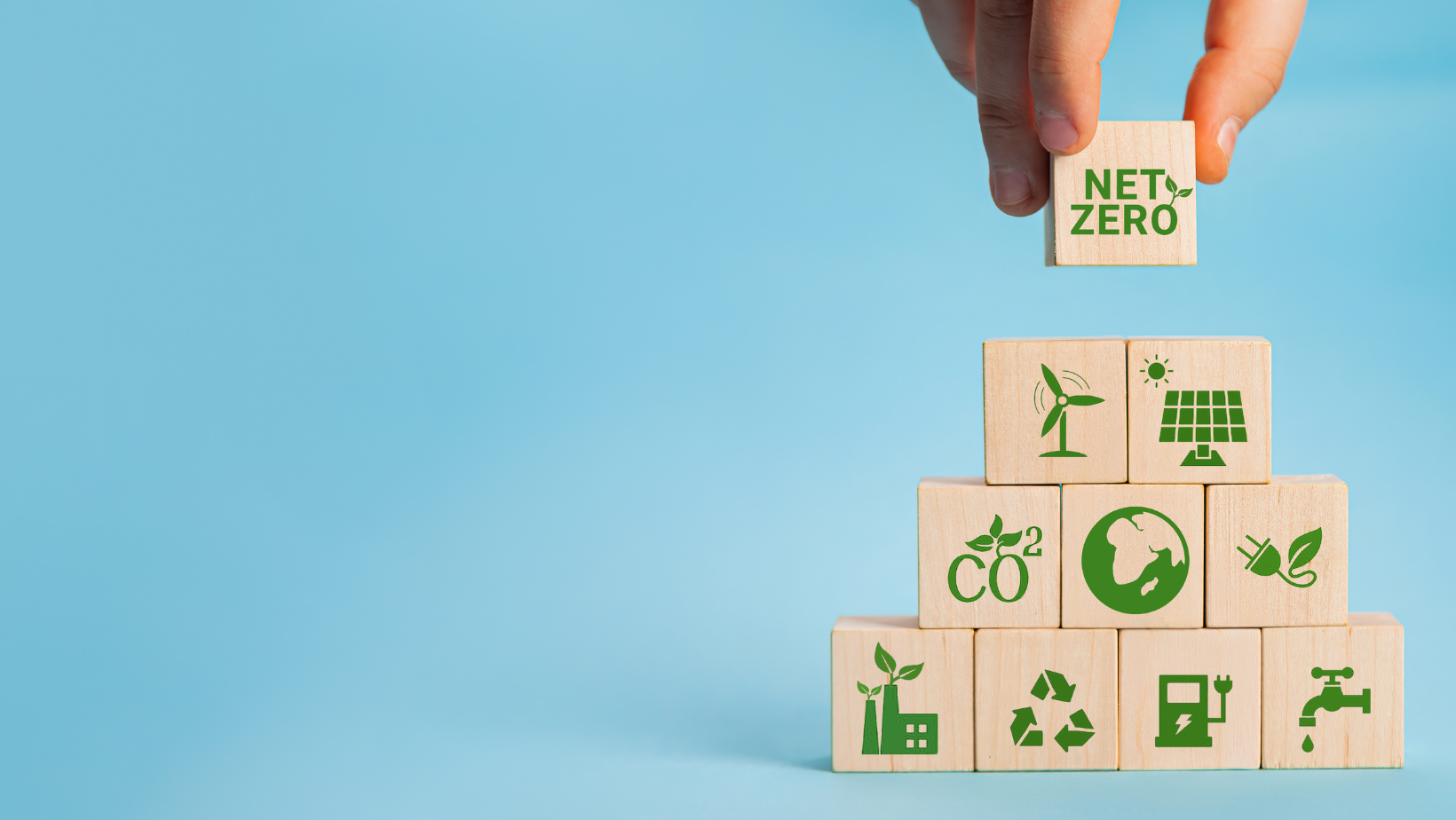
In the next section, we’ll dig into how these sustainable practices are implemented in construction, highlighting innovative materials and efficient processes.
Implementing Sustainable Practices in Construction
Incorporating sustainability in building design and construction starts with the materials and processes used. Let’s take a closer look at how innovative materials and efficient practices play a pivotal role.
Innovative Building Materials
Green materials are the backbone of sustainable construction. They help reduce the environmental impact right from the start. Here are some key materials to consider:
Recyclable Resources: Using materials like recycled steel and reclaimed wood can drastically cut down on waste. These resources not only reduce the need for new materials but also lower the carbon footprint of a building.
Low-Embodied Carbon Materials: The embodied carbon of a material refers to the carbon emissions associated with its production. Opting for materials like bamboo and hempcrete, which have a lower carbon footprint, is crucial. These materials are not only sustainable but also durable and versatile.
Innovative Products: The construction industry is seeing exciting advancements with products like net-zero carbon steel. These innovations are paving the way for more sustainable building practices.
Operational and Maintenance Practices
Once a building is constructed, maintaining its sustainability is key. This involves focusing on resource-efficient processes and operational strategies:
Maintenance Reduction: Sustainable buildings are designed to require less maintenance. For example, LEED-certified buildings report nearly 20% lower maintenance costs. This is achieved by using durable materials and systems that last longer and perform better.
Operational Efficiency: Efficient operations are about using less energy and water. Implementing systems such as energy-efficient HVAC and lighting, along with water-saving fixtures, can lead to significant savings. These systems not only reduce utility bills but also decrease the building’s environmental impact.
Resource-Efficient Processes: During construction, using processes that minimize waste and optimize resource use is crucial. This includes strategies like modular construction, which reduces material waste and speeds up construction time.
By integrating these innovative materials and efficient practices, we can construct buildings that are not only eco-friendly but also cost-effective and durable.
Next, we’ll explore common questions about sustainability in building design, providing clear answers to help you understand this vital topic.
Frequently Asked Questions about Sustainability in Building Design
What is sustainability in design and construction?
Sustainability in building design and construction is about creating structures that are environmentally friendly and resource-efficient throughout their lifecycle. This means considering everything from the materials used to the energy consumed and the waste produced. The goal is to minimize negative environmental impacts while maximizing the building’s durability and efficiency.
An integrated approach is key. This involves collaborating across different disciplines—architecture, engineering, and environmental science—to ensure that every aspect of the building supports sustainability goals. For example, using natural lighting and ventilation can reduce energy consumption and improve indoor air quality.
How do you make a building design sustainable?
To design a sustainable building, focus on energy efficiency and resource conservation. Here are some strategies:
Energy Efficiency: Use passive design elements like strategic window placement for natural light and ventilation. Implement active systems like energy-efficient HVAC and lighting. Incorporating renewable energy sources, such as solar panels, can also significantly reduce reliance on fossil fuels.
Resource Conservation: Choose materials that are sustainable and have a low environmental impact. This includes using recycled or rapidly renewable materials. Designing for adaptive reuse—where buildings can be easily repurposed—also extends the lifecycle of materials and reduces waste.
By combining these strategies, you create a building that not only conserves resources but also provides a comfortable, healthy environment for its occupants.
What are the benefits of sustainable building design?
Sustainable building design offers a range of benefits, from economic to environmental:
Cost Savings: While the initial investment might be higher, sustainable buildings often result in lower operating costs due to energy savings and reduced maintenance needs. For instance, buildings that follow LEED standards report significant savings in utility bills.
Environmental Impact: Sustainable buildings help reduce the carbon footprint by using eco-friendly materials and energy-efficient systems. This contributes to a healthier planet by lowering greenhouse gas emissions and conserving natural resources.
Lifecycle Impact: By considering the entire lifecycle of a building—from design to demolition—you can minimize waste and maximize resource efficiency. This holistic view ensures that the building remains sustainable throughout its lifespan.
Incorporating sustainability in building design and construction not only benefits the environment but also improves the quality of life for building occupants and provides long-term economic advantages.
Next, we’ll dig into the benefits of sustainable building design, highlighting how these practices can lead to improved employee comfort, productivity, and property value.
Conclusion
At Hutter Architects, our mission is to build homes that are not just structures, but sustainable sanctuaries for future generations. We believe in crafting future-proofed homes that adapt to changing needs and stand resilient against the challenges of tomorrow. This means embracing designs that are flexible, durable, and environmentally conscious.
Net-zero design is at the heart of what we do. A net-zero home is designed to produce as much energy as it consumes, thanks to a combination of energy-efficient strategies and on-site renewable energy sources like solar panels. This approach not only reduces the carbon footprint but also offers significant long-term savings on energy costs for homeowners.
Our commitment to sustainability in building design and construction means we focus on using innovative materials and techniques that prioritize resource conservation. We work with recyclable resources and materials with low embodied carbon to ensure that our homes are as eco-friendly as possible.
By choosing Hutter Architects, you’re not just investing in a home; you’re investing in a sustainable future. Our designs ensure that your home remains comfortable, efficient, and environmentally responsible for years to come.
Join us in our journey towards a greener tomorrow. Learn more about our sustainable building design services and how we can help you create a home that aligns with your values and the needs of our planet.


