
Stone and wood building: Ultimate Guide 2025
Why Stone and Wood Building Materials Define Timeless, Sustainable Architecture
Stone and wood building is an ancient, enduring approach to construction, combining two natural materials with distinct advantages in durability, aesthetics, and environmental impact. If you’re considering these materials for your home, here’s what you need to know:
Quick Comparison: Stone vs. Wood Building
| Factor | Stone | Wood |
|---|---|---|
| Lifespan | 100+ years | ~50 years |
| Maintenance | Minimal | Regular treatments needed |
| Thermal Performance | High thermal mass, better temperature stability | Lower conductivity, natural insulation |
| Construction Speed | Slower, foundation-intensive | Faster, especially with prefabrication |
| Environmental Impact | Low carbon footprint, abundant | Renewable resource, sequesters carbon |
| Cost | Higher material and labor costs | More affordable, variable by type |
Both materials have shaped human dwellings for millennia. Stone offers superior durability—resisting water, pests, and fire with minimal maintenance over its century-plus lifespan. Wood provides warmth, faster construction, and proven health benefits like better sleep and reduced stress.
The choice isn’t binary. Many projects combine both, using stone’s resilience for foundations and load-bearing walls, and wood for framing, finishes, and warmth. This hybrid approach creates beautiful, long-lasting homes.
I’m Pam Hutter, Principal of Hutter Architects in Chicago, Illinois, where I design sustainable homes that integrate natural materials for environmental performance and timeless beauty. In this guide, I’ll share insights to help you incorporate these materials into your dream home.
Durability and Longevity: A Tale of Two Materials
When planning a home, a key question is: How long will it last? Stone and wood have sheltered humanity for millennia, but they age differently. Understanding this helps you choose the right materials or combine them effectively.
Here’s how they compare:
| Metric | Stone | Wood |
|---|---|---|
| Lifespan | 100+ years (often centuries) | ~50 years (with proper maintenance) |
| Maintenance Needs | Minimal, primarily cleaning and occasional repointing | Regular treatments (UV, anti-fungal, fire-retardant), pest checks |
| Pest Resistance | Excellent (impervious to insects, rot) | Susceptible to insects (termites, woodworm), rot, fungi if untreated |
| Fire Resistance | Excellent (non-combustible) | Can be treated to be fire-resistant, but naturally combustible |
| Weather Resistance | Extremely high (resists moisture, fading, mechanical action) | Requires protection from UV, moisture, temperature fluctuations |
How Stone Stands the Test of Time
Stone is the marathon runner of building materials, creating structures that last a century or more. Its durability comes from its resistance to moisture, insects, and decay. It doesn’t absorb water, so it won’t rot or warp, and it’s impervious to pests and UV fading. This means minimal maintenance—occasional cleaning or repointing mortar joints is usually all that’s needed. Ancient castles and cathedrals are testaments to stone’s staying power.
For clients seeking a High Performance Building Design, stone foundations and walls offer superior resilience. In stone and wood building projects, we use stone where durability matters most, like foundations and exterior walls exposed to harsh weather. It’s an investment in longevity.
The Lifespan and Upkeep of Wood Structures
Wood’s story is different. A well-cared-for wooden structure lasts about 50 years, often longer, but the key is “proper care.” Even after milling, wood responds to its environment. If unprotected, it can be food for organisms, so wood maintenance is essential.
Regular treatments are necessary to keep wood performing well. UV protection prevents sun damage, anti-fungal treatments ward off mold, fire-retardant treatments improve safety, and periodic pest inspections catch problems early.

Is wood worth it? Absolutely. It brings warmth, beauty, and flexibility that stone alone can’t match. Proactive maintenance is manageable and results in a sustainable home with genuine character. We often pair wood with Eco-Friendly Insulation Materials to improve its performance. The bottom line: Stone offers set-it-and-forget-it durability, while wood rewards care with aesthetic warmth. The best homes often combine both.
Performance and Comfort: Inside a Stone and Wood Home
A home’s design is about more than looks or longevity; it’s about how it feels to live there. Comfort, quiet, and air quality are key performance questions where stone and wood building materials show their distinct personalities. Understanding these differences is essential for creating a home that supports your well-being, a core principle of Energy Efficiency in Homes.
Thermal Insulation and Energy Efficiency
Stone and wood manage heat differently but can both be remarkably effective at keeping your home comfortable and energy bills low.
Stone offers thermal mass, acting like a natural heat battery. It absorbs heat during the day and releases it slowly at night, keeping interiors cool in hot climates and maintaining stable temperatures in cooler ones. Despite higher thermal conductivity than wood, stone’s thermal mass provides excellent temperature regulation.
Wood has lower thermal conductivity, making it a natural insulator. Well-built timber homes can be very energy-efficient, lowering energy costs. This efficiency stems from precise construction and wood’s natural density, often minimizing the need for synthetic insulation.
Many successful projects combine both materials strategically—for instance, a stone first floor for thermal mass paired with an insulated timber frame above. This hybrid approach creates truly Energy Efficient Building Designs. A Home Energy Audit Complete Guide can help determine the optimal combination for your climate.
Soundproofing, Health, and Hygienic Properties
Comfort extends beyond temperature to acoustics and air quality.
Stone walls are natural sound barriers. Their density and mass block external noise, creating quiet, serene interiors. This can transform a home in a busy area into a peaceful refuge.
Wood offers measurable health benefits. Studies show living in wooden structures can improve energy, sleep, and mood while reducing stress. Its porous structure “breathes,” filtering indoor air by absorbing toxins. Coniferous woods have natural antibacterial properties, keeping air fresh, which is especially beneficial for allergy sufferers.
Both materials are naturally hygienic and contribute to healthier indoor air quality. We incorporate these inherent qualities into our Eco-Conscious Interior Design to support your health and comfort naturally.
The Practicalities of a Stone and Wood Building Project
When building with natural materials, it’s crucial to understand the construction process, timeline, budget, and environmental impact. This upfront knowledge, guided by Green Construction Strategies, ensures your stone and wood building project aligns with your goals.
Cost and Construction Time for a Stone and Wood Building
Cost and timeline depend on the primary material in your design. Stone construction can have affordable raw material costs, especially from local quarries, but labor is more expensive due to the need for skilled masons. The weight of stone also requires robust foundations, adding time and expense. The slower construction pace is offset by decades of low maintenance, translating the initial investment into long-term Green Building Financial Benefits.
Wood construction is often faster and more affordable upfront. Modern prefabrication allows components to arrive up to 80% factory-ready, streamlining on-site assembly and reducing labor costs. While wood requires ongoing maintenance, many homeowners find it manageable given the initial savings.
A hybrid approach, such as a stone foundation with a timber-framed upper story, often provides the best balance of cost, construction time, and long-term performance.
Environmental Impact of Stone and Wood Building Materials
Both stone and wood offer significant sustainability advantages over synthetics.
Stone has a low embodied carbon footprint, requiring minimal processing. Sourcing it locally reduces transportation emissions and supports regional economies. Its longevity also means less waste and resource consumption over time—sustainability through endurance.
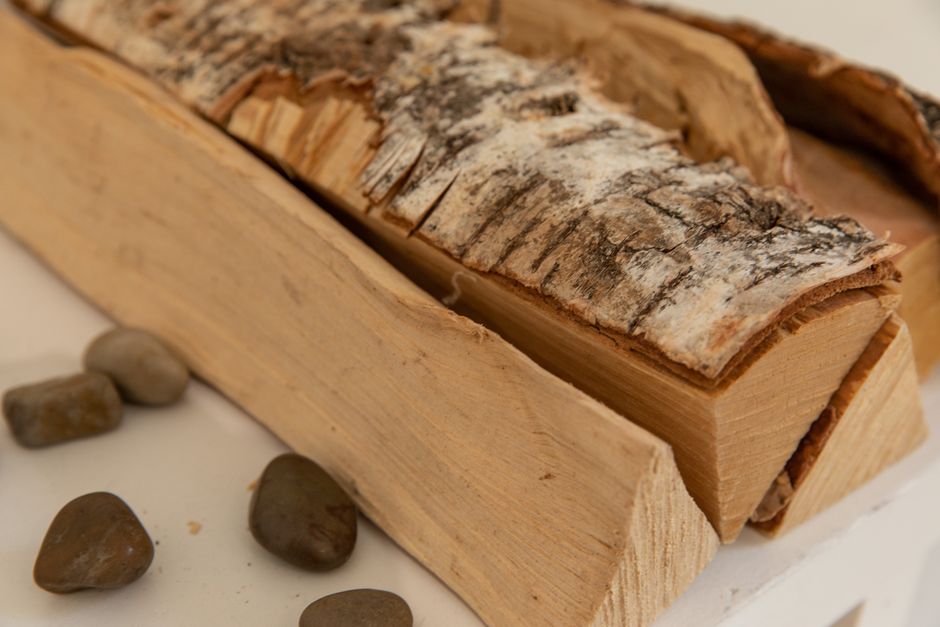
Wood is a renewable, carbon-negative material when sourced from sustainably managed forests. As trees grow, they sequester carbon, which is then locked away in your home’s structure. The key is sourcing wood responsibly. Reclaimed timber is another excellent option, and local sourcing dramatically cuts transportation emissions.
Both materials are recyclable. Stone can be reused, and untreated wood can be repurposed or decompose naturally. Thoughtful material selection is a powerful tool for creating homes that tread lightly on the earth, a topic we explore in our guides to Sustainable Materials for Your Dream Home and Sustainability in Building Design and Construction.
Design and Aesthetics: The Art of Combining Materials
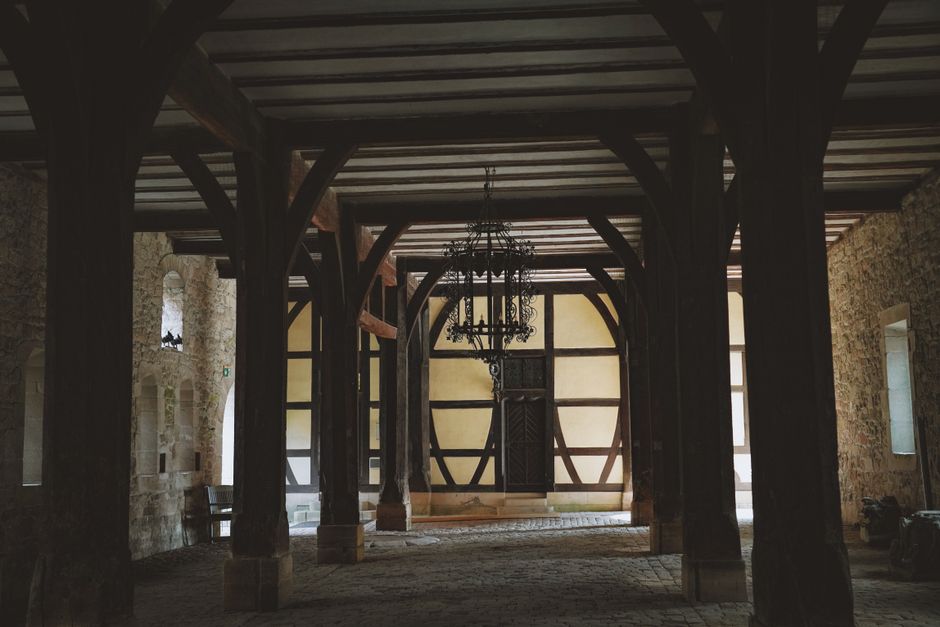
A home where stone and wood work in harmony is deeply satisfying. The combination creates spaces that feel both grounded and alive—a balance unique to stone and wood building. We see these materials as storytellers: stone speaks of permanence, connecting a home to the earth, while wood brings warmth and organic softness. Thoughtfully combined, they create something greater than their parts, a philosophy central to our approach to Residential Architecture.
Creating Unique Architectural Styles
The beauty of combining stone and wood lies in its versatility. The style can range from a cozy retreat to a sleek contemporary home, depending on how the materials are balanced.
Stone provides weight and permanence, anchoring a home to its site. A stone facade ages beautifully, while an interior accent wall or fireplace becomes an instant focal point. Wood brings warmth and versatility. Exposed timber beams create visual rhythm, and wood cladding can soften a stone exterior. The contrast is key, allowing for hybrid homes that blend rustic charm and modern minimalism. This approach is fundamental to Eco-Friendly Home Design, where beauty and sustainability go hand in hand.
Innovative and Traditional Building Techniques
Ancient techniques still inform our work, but modern innovations are opening new possibilities for stone and wood building. Traditional stone masonry, like dry-stacked walls, and timber framing with mortise-and-tenon joints celebrate craftsmanship and structural honesty.
We also incorporate organic methods like cob construction (clay, sand, straw) to create sculptural walls and benches, often finished with natural earthen plasters for a unique texture. Modern technology like digital manufacturing allows for precisely cut wooden components that assemble quickly, improving both speed and sustainability. These advances allow us to achieve Innovative Sustainable Architecture Complete Guide results that honor tradition while leveraging modern efficiency. Our job is to match the technique to your vision, creating a home that feels both timeless and of its time.
Future-Proofing Your Home for Sustainability and Resilience
At Hutter Architects, we design for the future, considering how homes will perform decades from now against changing environmental challenges. Natural materials like stone and wood offer inherent advantages for creating sustainable, resilient homes, a concept central to Future-Proofing Your Home Design. By understanding their strengths, we can create homes that adapt to whatever the future brings.
Resilience Against Natural Disasters
Natural disasters are a real concern in modern construction. Fortunately, properly designed stone and wood structures offer distinct protective qualities.
Stone’s resilience is legendary. It can withstand hurricanes, floods, and fires. Because it doesn’t absorb water, it resists flood damage, and its mass helps it resist high winds. In earthquakes, well-engineered stone buildings can effectively distribute seismic forces.
Wood’s flexibility is a surprising form of resilience. Wood-frame construction can flex during earthquakes, absorbing energy that might shatter rigid materials. Modern treatments also dramatically improve its fire resistance.
A hybrid approach leverages each material’s strengths, such as a flood-resistant stone foundation topped with a flexible timber-frame upper story. This is key to understanding The Symbiotic Relationship Between Buildings and the Environment.
Best Practices for Sustainable Sourcing
Sustainability starts with sourcing. The environmental impact of your stone and wood building is determined by where your materials come from.

Here are some best practices:
- Use Certified Wood: For wood, FSC-certified timber is the baseline. The Forest Stewardship Council (FSC) certification ensures your wood comes from responsibly managed forests.
- Source Locally: Sourcing stone from nearby quarries and wood from regional forests reduces transportation emissions and ensures your home reflects the character of its place.
- Choose Reclaimed Materials: Old barn timbers or salvaged stone have already stood the test of time. Using them means no new resources are consumed.
- Minimize Processing: Natural stone that is simply cut and shaped requires far less energy than highly manufactured materials.
- Use Eco-Friendly Treatments: When wood requires treatment, we insist on eco-friendly options that don’t compromise indoor air quality.
These practices align with the 5 Principles of Green Building Design and reflect our commitment as Sustainable Design Architects. Choosing materials with care is an investment in a sustainable future.
Conclusion
The journey through stone and wood building reveals a partnership between two ancient materials. Stone is the durable guardian, weathering time with little upkeep. Wood brings life and warmth, filtering our air and connecting us to the natural world. Our experience designing sustainable homes shows the real question isn’t “stone or wood?” but “how can they work together to create something extraordinary?”
Your project goals will guide the balance. Do you need stone’s thermal mass for climate stability, or do you prefer wood’s faster construction timeline? The most successful stone and wood building projects we’ve designed celebrate both. A stone foundation provides resilience, while wood framing above offers efficiency and health benefits. The result is a home that feels grounded yet uplifting, traditional yet forward-thinking.
At Hutter Architects in Chicago, we create homes that honor both their inhabitants and the planet. We balance practical considerations like budget and timeline with your aesthetic vision. Whether you dream of a cozy retreat or a modern masterpiece, we can guide your vision into reality.
These aren’t just building materials; they are the foundation of homes that will shelter families for generations, age gracefully, and tread lightly on the earth. That’s the kind of architecture worth creating.
Ready to explore what’s possible? Find out how natural building materials for your sustainable home can transform your vision into a home that truly stands the test of time.


