
Prefabricated Small Homes: 5 Powerful Benefits 2024
Prefabricated small homes are reshaping how people think about housing. They are an attractive option for those seeking eco-friendly and modern living solutions. Here’s a quick look at why these homes are trending:
- Cost-effective: Prefabricated homes can be more affordable than traditional houses.
- Eco-friendly: These homes use sustainable materials and reduce waste.
- Efficient Construction: Built quicker with fewer delays, thanks to controlled factory settings.
With their compact size, prefabricated small homes fit well into sustainable living and modern design. They allow for reduced waste and energy consumption, aligning perfectly with today’s minimalist trends.
As Pam Hutter, an experienced architect from Chicago, Illinois, I have dedicated my career to designing prefabricated small homes that prioritize sustainability and cutting-edge aesthetics. Join me as we explore the evolving world of prefabricated homes and see how these innovative designs can transform modern living.
Basic prefabricated small homes terms:
– modular homes prices
– portable homes
Benefits of Prefabricated Small Homes
Prefabricated small homes offer numerous advantages, making them a popular choice for modern living. Let’s dive into some key benefits:
Cost-Effective
One of the biggest draws of prefabricated homes is their affordability. Because they are built in a factory setting, manufacturers can purchase materials in bulk, leading to lower costs. Additionally, the streamlined construction process means fewer labor hours and reduced waste, which translates into savings for homeowners. Prefab homes are often less expensive than traditional homes, offering a budget-friendly path to homeownership.
Eco-Friendly
Prefab homes are designed with sustainability in mind. They use eco-friendly materials and are constructed with minimal waste. For example, some models incorporate reclaimed wood, which not only saves trees but also reduces landfill waste. Energy efficiency is another highlight, as these homes often require less energy to heat and cool due to their smaller size and well-insulated structures. This makes them a great choice for eco-conscious individuals looking to minimize their carbon footprint.
Efficient Construction
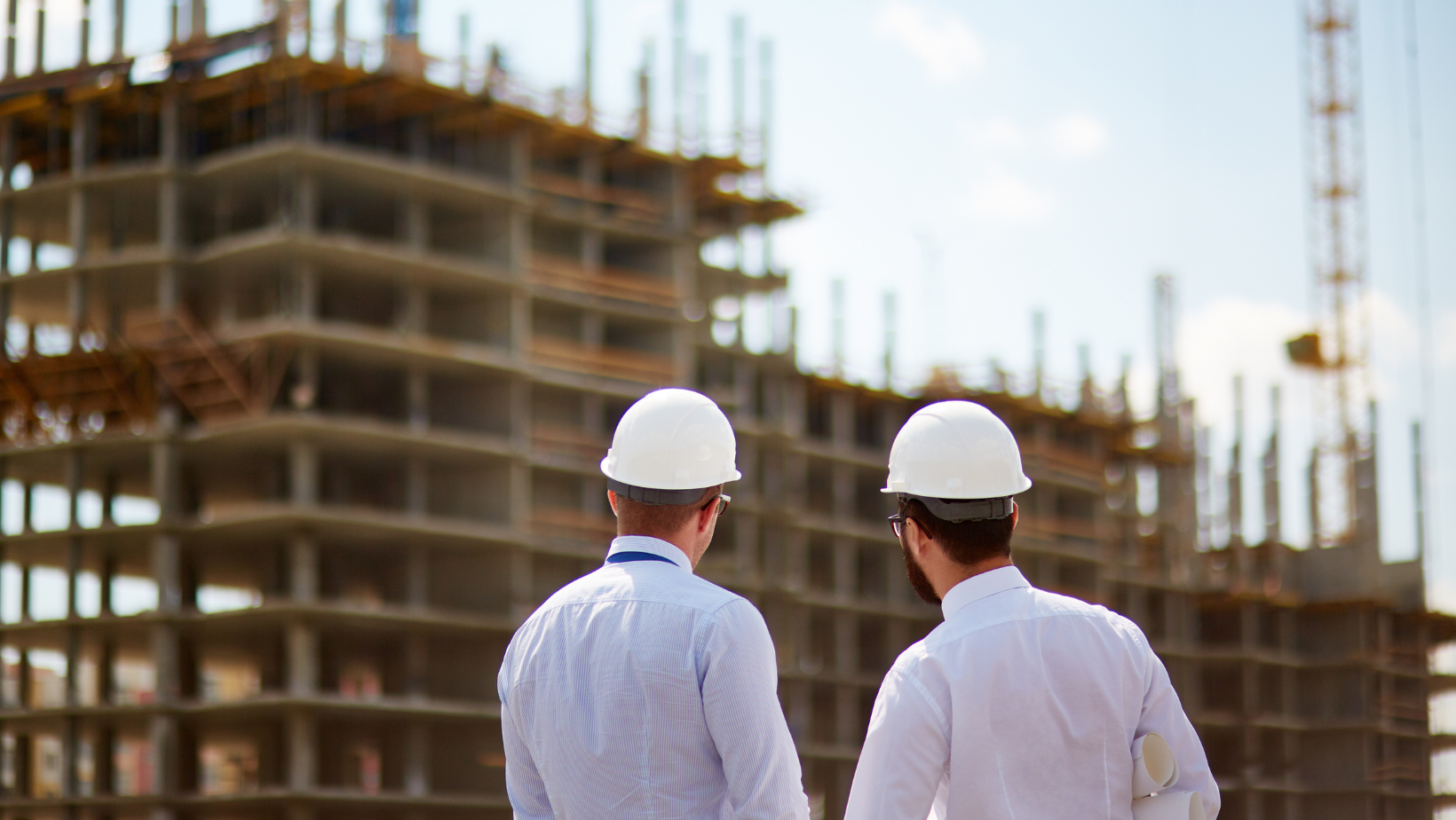
The construction process for prefabricated homes is highly efficient. Built in a controlled factory environment, these homes benefit from consistent quality and fewer delays caused by weather or other on-site issues. This method allows for precise measurements and cuts, reducing material waste. The entire home can be assembled on-site in a fraction of the time it takes to build a traditional house. This efficiency not only saves time but also reduces the overall environmental impact of construction.
In summary, prefabricated small homes are a cost-effective, eco-friendly, and efficient housing solution. They align perfectly with the values of modern, minimalist living, offering a sustainable way to enjoy a comfortable lifestyle. As we continue our exploration, let’s look at the different types of prefabricated small homes available and how they cater to various needs and preferences.
Types of Prefabricated Small Homes
Prefabricated small homes come in various styles, each offering unique benefits. Let’s explore the different types available, including tiny homes, modular homes, and container homes.
Tiny Homes
Tiny homes are the epitome of minimalist living. Typically ranging from 100 to 400 square feet, these compact dwellings are perfect for those wanting to downsize. They offer a cozy, efficient living space that can include modern amenities like a full kitchen and bathroom, all within a small footprint. Tiny homes are often built with eco-friendly materials, and their reduced size means they consume less energy. This makes them an attractive option for environmentally conscious individuals.
Example: The Legend One by Nestron is a tiny home designed with resilience in mind. It offers earthquake and typhoon resistance, making it a durable choice for those in regions prone to natural disasters.
Modular Homes
Modular homes are constructed in sections, or modules, in a factory setting. These sections are then transported to the site and assembled. This method allows for a high degree of customization, ensuring that each home meets the specific needs and preferences of its owner. Modular homes are known for their quality construction and energy efficiency. They can be designed to include eco-friendly features such as solar panels and high-quality insulation.
Statistic: According to research, modular homes can be built 30% to 50% faster than traditional homes, thanks to the controlled factory environment.
Container Homes
Container homes are made from repurposed shipping containers. These homes are not only cost-effective but also incredibly durable, as they are built to withstand harsh conditions at sea. Container homes can be stacked and arranged in various configurations, offering flexibility in design. They are an excellent choice for those looking to upcycle materials and reduce waste. With proper insulation and design, container homes can be just as comfortable and efficient as traditional homes.
Fact: Shipping container homes are gaining popularity due to their strength and adaptability. They can be outfitted with sustainable technologies like solar panels, making them a modern, eco-friendly housing solution.
Each type of prefabricated small home offers distinct advantages, catering to different lifestyles and preferences. Whether you’re looking for a minimalist retreat, a customizable living space, or a sustainable upcycled home, prefab options provide a versatile and innovative solution for modern living. Let’s dig into how these homes fit various budgets and what options are available for every financial plan.
Prefabricated Small Homes for Different Budgets
When it comes to prefabricated small homes, there’s something for every budget. Whether you’re seeking an affordable retreat, a luxurious abode, or a hands-on DIY project, the prefab market has you covered. Let’s explore the options:
Affordable Options
For those on a tight budget, prefab homes offer a cost-effective way to own a home. These affordable options often come in the form of tiny homes or basic modular units.
Echo by Off Grid Dwelling: This Scandinavian-inspired tiny home is a budget-friendly choice. With 170 square feet of living space, it’s perfect for a guest house or backyard ADU. Priced at around $42,495, it provides a simple yet stylish living space.
DIY Kits: For the handy homeowner, DIY kits can be a great way to save money. These kits come with all the materials you need to build your own home. They offer flexibility and the satisfaction of constructing your living space.
Luxury Models
If luxury is what you’re after, prefab homes can deliver high-end features and finishes. These homes often include modern amenities and stylish designs.
Abodu Studio: This luxury model offers 340 square feet of living space, complete with a full kitchen and Murphy bed. With high-end finishes and customization options, it’s a top choice for those seeking a touch of elegance in their small home.
Norman Tiny Home: This model from Off Grid Dwellings combines luxury with smart technology. It includes features like retractable window shades and a programmable AC, all within 538 square feet. It’s designed for those who want modern conveniences in a compact space.
DIY Kits
For the adventurous, DIY kits offer a unique opportunity to build your own prefab home. These kits include all necessary materials and instructions, allowing you to personalize your home while saving on labor costs.
- Mighty Small Homes: Known for their sustainable and efficient designs, these kits provide everything you need to assemble a small home. They offer customizable options to fit specific lot sizes and personal preferences.
Prefab homes cater to a wide range of budgets, making them accessible to many. Whether you’re looking for an affordable escape, a luxurious retreat, or a creative project, there’s a prefab home that fits your financial plan. Let’s address some common questions about these innovative housing solutions.
Frequently Asked Questions about Prefabricated Small Homes
Is it cheaper to build or buy prefab?
When considering prefabricated small homes, many wonder if it’s more cost-effective to build or purchase one. Prefab homes often offer significant cost savings compared to traditional construction. This is largely due to bulk material purchases and streamlined manufacturing processes, which reduce labor costs and construction time. Prefab homes can be up to 20% cheaper than custom-built homes, making them an attractive option for budget-conscious buyers.
Are prefab tiny homes worth it?
Investing in a prefab tiny home can be a smart decision for several reasons. First, these homes often hold their value well, offering solid investment value. Unlike traditional homes, which may depreciate over time, prefab homes tend to maintain their worth due to their efficient design and durable materials. Additionally, their eco-friendly features can appeal to environmentally conscious buyers, potentially enhancing resale value.
Can you build a tiny house for $10,000?
Yes, building a tiny house for $10,000 is possible, especially if you’re willing to tackle a DIY kit. These kits provide the essential materials and instructions to construct a small home on a budget. While these budget-friendly options may lack some luxury features, they offer a functional and cozy living space. With careful planning and resourceful sourcing, you can create a comfortable tiny home that meets your needs without breaking the bank.
Prefab homes offer a range of benefits, from cost savings to investment potential, making them a viable choice for modern living. As we explore further, we’ll dig into sustainable design and energy efficiency, key aspects of Hutter Architects’ approach to prefabricated homes.
Conclusion
At Hutter Architects, we believe that prefabricated small homes are more than just a trend—they’re a smart solution for sustainable living. Our commitment to sustainable design means we prioritize eco-friendly materials and methods, ensuring every home we create is kind to the planet.
Energy efficiency is at the heart of our designs. By using advanced insulation techniques and high-performance windows, we reduce energy consumption and improve comfort. Our homes often incorporate features like solar panels and smart home technology, which help achieve net-zero energy use. This not only saves on energy bills but also lessens the environmental impact.
Our approach to prefabricated homes combines modern aesthetics with practicality. We understand that a home should be adaptable to your needs, which is why our designs are flexible and future-proof. Whether you’re looking for a cozy retreat or a full-time residence, our homes provide comfort without compromise.
By choosing Hutter Architects, you’re investing in a home that balances modern design with sustainability. Our dedication to energy-efficient and environmentally responsible homes ensures that you’ll enjoy a comfortable living space while contributing to a healthier planet.
For more on how we can help you accept sustainable living, visit our Sustainable House Designs page. Let’s build a greener future together, one innovative design at a time.


