
Prefab Home Kits: Top 3 Benefits in 2025!
Prefab home kits are revolutionizing the way we think about home construction. With a blend of sustainability, energy efficiency, and modern design, these kits offer a compelling solution for anyone looking to create their perfect eco-friendly sanctuary. Simply put, a prefab home kit provides:
- Quick Assembly: Prefab components are built in controlled environments and assembled on-site, saving time.
- Cost Efficiency: Streamlined manufacturing processes often result in lower costs than traditional builds.
- Customizable Designs: Wide variety of designs to fit personal tastes and functional needs.
- Sustainable and Energy-Efficient Materials: Purpose-built to minimize environmental impact and reduce energy consumption.
As you consider your options, prefab home kits are not just about constructing a house; they are about designing a lifestyle that harmonizes with the environment.
I’m Pam Hutter, a passionate architect from Chicago, IL, with experience in the field of prefab home kits. I’ve dedicated my career to marrying sustainable practices with innovative design, striving to help clients achieve their dream homes with minimal environmental impact. Let’s dig deeper into how prefab home kits can pave the way for your sustainable living journey.
Essential prefab home kits terms:
– modular homes prices
– portable homes
– prefabricated small homes
What Are Prefab Home Kits?
Prefab home kits are an exciting innovation in home building, offering a modern approach that’s both efficient and customizable. These kits are crafted in factories, where every component is precision-engineered and then transported to your building site for assembly. This approach brings several advantages:
Factory Construction
Imagine your future home being built in a factory setting. This method ensures high quality and consistency, as each element is crafted under controlled conditions. Factory construction reduces the risk of delays due to weather, a common issue in traditional builds. It also allows for rigorous quality checks, ensuring every piece meets high standards before it reaches your site.
Panelized Components
One of the key features of prefab home kits is their panelized components. These are pre-built sections of your home, such as walls and roof trusses, ready to be assembled like pieces of a puzzle. This method significantly speeds up the building process—up to 60% faster, according to research. By reducing on-site labor, you not only save time but also cut down on costs.
Customizable Designs
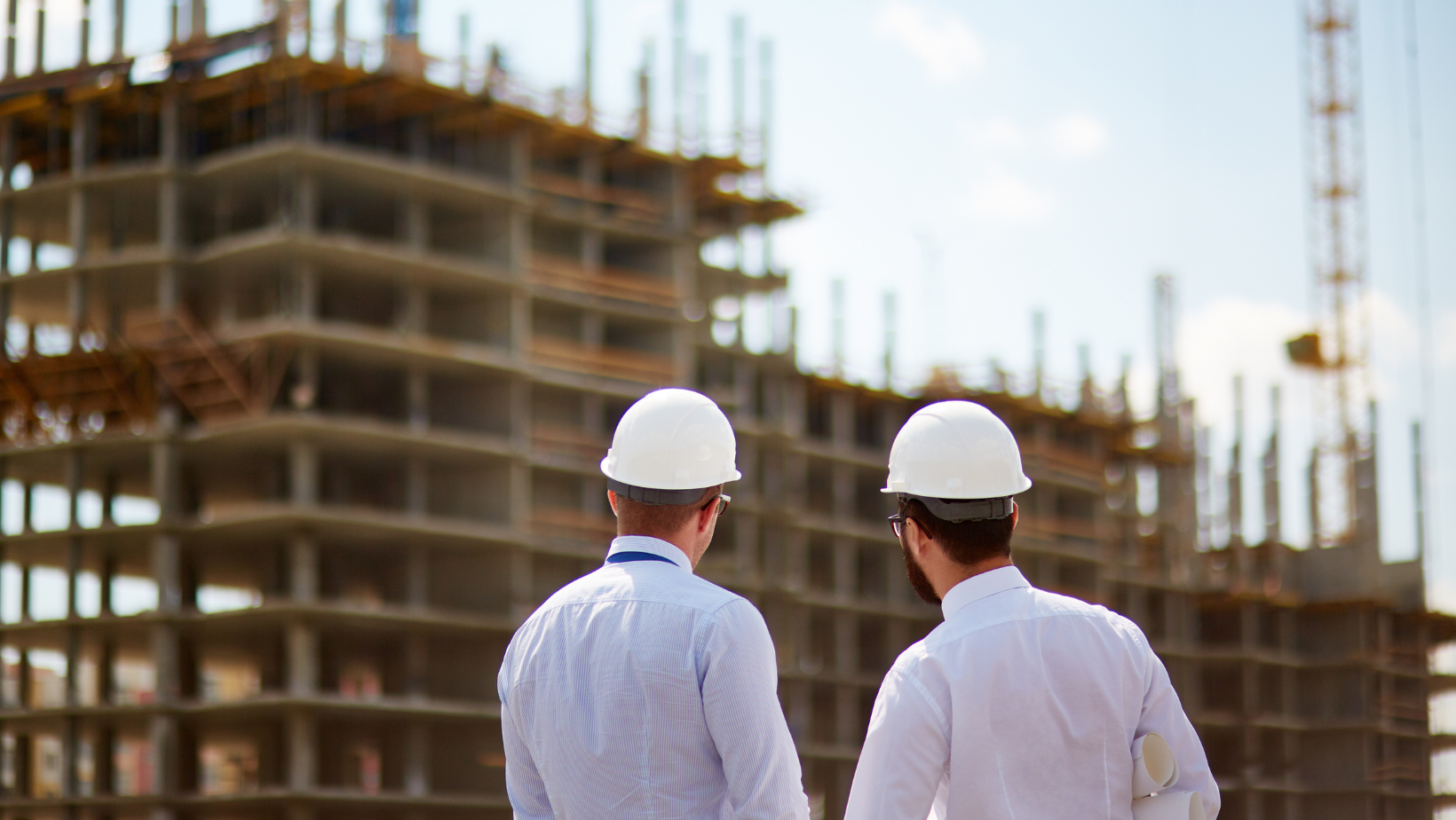
Prefab home kits offer a range of customizable designs to suit your personal style and functional needs. Whether you’re dreaming of a modern farmhouse or a cozy cabin, there’s likely a prefab kit that fits your vision. Many kits can be customized further to match your specific requirements, ensuring your home is truly unique.
By choosing a prefab home kit, you’re not just building a house—you’re crafting a space that reflects your lifestyle and values. With the efficiency of factory construction, the precision of panelized components, and the flexibility of customizable designs, prefab home kits are paving the way for a new era in sustainable and efficient living.
Advantages of Prefab Home Kits
Choosing a prefab home kit comes with several compelling advantages that make it an attractive option for modern homeowners. Let’s explore the key benefits:
Cost Efficiency
One of the biggest draws of prefab home kits is their cost efficiency. By manufacturing components in a factory setting, companies can achieve economies of scale that significantly reduce costs. This method minimizes waste and maximizes resource use, passing the savings on to you. Plus, the streamlined construction process means fewer labor hours, further lowering expenses. According to DC Structures, prefab kits often provide better quality finishes than many new custom homes, offering excellent value for money.
Reduced Construction Time
Building a home traditionally can take months, if not years. But with prefab home kits, the timeline is drastically shortened. Since components are pre-made, assembly on-site can be completed much quicker—often in just a few weeks. This speed is especially beneficial in areas with unpredictable weather, as construction can proceed without delays. As noted by Kory Goodwin from Streamline Construction, prefab systems like the Zip Kit are “faster, more accurate, and you get fewer weather-related quality issues.”
High-Quality Materials
Prefab home kits are synonymous with high-quality materials. Constructed in controlled environments, each component undergoes rigorous quality checks to ensure it meets strict standards. This results in a durable and robust structure that can withstand the test of time. Prefab homes often use advanced materials like Structural Insulated Panels (SIPs) for better insulation and energy efficiency. As highlighted in the research, prefab homes can achieve high performance with minimal thermal bridging, thanks to their superior construction techniques.
Prefab home kits offer a smart, efficient, and high-quality solution for building your dream home. With the advantages of cost efficiency, reduced construction time, and the use of high-quality materials, these kits are redefining the way we think about home construction.
Types of Prefab Home Kits
When it comes to prefab home kits, you have a variety of options to choose from. Each type offers unique features and benefits, allowing you to select the best one for your needs. Let’s explore the main types: panelized kits, modular homes, and kit homes.
Panelized Kits
Panelized kits are a popular choice for those looking to build efficiently and affordably. These kits come with pre-built, insulated walls and engineered roof trusses. The components are constructed in a factory, which means they are built to precise specifications and quality standards.
Fast Construction: With reduced on-site labor, panelized kits can cut construction time by up to 60% compared to traditional methods. This speed can be a game-changer, especially in areas with harsh weather conditions.
Customization: Despite their pre-fabricated nature, panelized kits offer a degree of customization. You can work with designers to modify aspects of your home to fit your personal style and needs.

Modular Homes
Modular homes are built in sections or “modules” in a factory setting, then transported and assembled on-site. This approach can be faster and more cost-effective than traditional construction.
Quality Control: Factory construction ensures consistent quality, as each module is built under controlled conditions. This minimizes errors and waste, resulting in a high-quality finished product.
Energy Efficiency: Modular homes can be designed to meet high energy efficiency standards. With proper insulation and air sealing, they can contribute to a net zero home, reducing energy consumption significantly.
Kit Homes
Kit homes provide a DIY approach for those who want to take an active role in building their home. These kits include all the necessary materials and instructions for assembly.
Cost Savings: By doing some of the work yourself, you can save on labor costs. Kit homes are often the most affordable option for those with a tight budget.
Flexibility: Kit homes offer a range of designs, from simple cabins to larger family homes. They provide the flexibility to choose a design that suits your lifestyle and preferences.
Each type of prefab home kit offers unique benefits, whether it’s the speed and efficiency of panelized kits, the precision and energy efficiency of modular homes, or the cost savings and flexibility of kit homes. By understanding these options, you can make an informed decision that aligns with your vision for your future home.
Next, we’ll discuss how to choose the right prefab home kit by considering customization options, size, layout, and budget considerations.
How to Choose the Right Prefab Home Kit
Choosing the right prefab home kit can be an exciting yet challenging task. With so many options available, focus on key factors like customization options, size and layout, and budget considerations.
Customization Options
One of the significant advantages of prefab home kits is the ability to customize. Many kits allow you to modify floor plans, choose finishes, and even decide on the placement of windows and doors. This flexibility ensures that your home reflects your personal style and meets your functional needs.
Floor Plan Changes: Most kits offer at least one floor plan change included in the price. This means you can adjust the layout to better suit your lifestyle, whether you need an extra bedroom, a larger kitchen, or a home office.
Design Elements: You can often select from various design elements, such as siding materials, roofing options, and interior fixtures. This level of customization can help you create a unique home that stands out.
Size and Layout
The size and layout of your prefab home kit are crucial in determining how well it will fit your needs and your property. Kits come in various sizes, from tiny homes to larger family residences.
Space Requirements: Consider how much living space you need. If you plan to grow your family or need extra space for hobbies or a home office, opt for a larger kit.
Property Size: Ensure the kit you choose fits well on your property. Check local zoning laws and building codes to confirm that your chosen size and layout are permissible.
Budget Considerations
Your budget will significantly influence your choice of a prefab home kit. It’s essential to consider not just the upfront cost but also long-term expenses like maintenance and energy efficiency.
Initial Costs: Kits vary in price, with some being more affordable than traditional homes. Evaluate what is included in the kit price and what additional costs you might incur, such as foundation work or utility connections.
Energy Efficiency: Investing in a kit with high-quality insulation and energy-efficient windows can save you money on energy bills in the long run. Look for kits that meet or exceed local energy codes.
By focusing on these aspects, you can choose a prefab home kit that aligns with your lifestyle, fits your property, and stays within your budget. Next, we’ll answer some frequently asked questions about prefab home kits to further guide you in making an informed decision.
Frequently Asked Questions about Prefab Home Kits
Is it cheaper to build or buy prefab?
When it comes to costs, prefab home kits often have the upper hand over traditional construction. Since these homes are built in factories, they benefit from mass production savings. This means lower material costs and reduced labor expenses.
Moreover, because the construction process is streamlined, it reduces the time needed to build, which can also cut down on site-related costs like labor and equipment rentals.
However, keep in mind that while prefab homes generally start cheaper, the final cost can vary based on customization options, site preparation, and local building codes.
How long does a prefab house last?
Durability is a common concern, but prefab homes are built to last. With advancements in materials and construction techniques, these homes can be as durable as traditionally built houses.
The lifespan of a prefab home depends largely on the materials used and the maintenance it receives. High-quality materials like engineered wood and steel can ensure longevity. Proper maintenance, such as regular inspections and repairs, can keep your home in excellent condition for decades.
Many prefab homes come with warranties that guarantee their structural integrity for a specific period, providing peace of mind for homeowners.
What is the difference between a kit home and a prefab home?
The terms “kit home” and “prefab home” are often used interchangeably, but there are distinctions.
Kit homes are a type of prefab home that come with pre-cut materials and detailed instructions for assembly. They require more hands-on work from the buyer, who often takes on the role of general contractor, coordinating the construction process.
Prefab homes, on the other hand, can include several types such as modular homes, panelized homes, and kit homes. Modular homes are built in sections in a factory and then transported to the site for assembly, often requiring less on-site labor compared to kit homes.
Both offer the benefits of faster construction times and potential cost savings, but the choice between them depends on how involved you want to be in the building process.
By understanding these differences, you can better decide which option aligns with your needs and capabilities. Next, we’ll dig into the sustainable aspects of prefab home kits and how they contribute to eco-friendly living.
Conclusion
At Hutter Architects, we believe in building homes that are not just structures, but sustainable living spaces designed for the future. Our focus on sustainable architecture ensures that each home we design is energy-efficient and environmentally friendly.
Future-proof homes are at the heart of our mission. We use durable materials and timeless designs to create spaces that adapt to your evolving needs. This means fewer renovations over time and more savings in the long run. Our designs are flexible, allowing rooms to change function as your lifestyle changes.
Energy efficiency is a cornerstone of our approach. By integrating advanced insulation, high-performance windows, and smart home technologies, we aim to achieve net-zero energy consumption. This not only reduces your carbon footprint but also lowers your energy bills, making your home more comfortable and economical.
We are committed to using sustainable materials like responsibly sourced wood and non-toxic finishes. Features like rooftop gardens and greenhouses are often included in our designs to improve biodiversity and reduce environmental impact.
Choosing Hutter Architects means investing in a home that balances eco-friendliness with modern comforts. Our commitment to sustainable design ensures your home will contribute to a healthier planet while providing a comfortable living environment.
To learn more about how we can help you design a sustainable, energy-efficient home, visit our Sustainable House Designs page. Join us in embracing a greener future, one innovative design at a time.


