
Net Zero Energy Home Plan Budget 2025: Smart, Affordable
The Myth of the Million-Dollar Green Home
Planning a net zero energy home plan budget doesn’t have to break the bank. The biggest myth about net-zero homes is their exorbitant cost. In reality, the premium is modest: an average net-zero home costs around $263,000 compared to $240,000 for a standard build of the same size. That’s less than a $10 per square foot difference.
Net-zero homes produce as much clean energy as they consume, slashing utility bills while providing superior comfort and air quality. With strategic design, you can minimize the premium and maximize long-term savings.
As Pam Hutter, Principal of Hutter Architects in Chicago, I’ve guided many families through the net zero energy home plan budget process. My experience shows that smart planning makes net-zero living both affordable and beautiful.
The Core Components of a Net-Zero Home
Building a net-zero home is like giving it a superpower: it generates its own energy. This is achieved through three core components working in harmony:
- A Super-Insulated Building Envelope: This is your home’s airtight thermal layer. It includes thick, continuous insulation, high-performance windows, and meticulous air sealing. This step alone can make a home up to 80% more energy-efficient than a typical new build, drastically reducing heating and cooling needs.
- Renewable Energy Systems: Once energy demand is minimized, the home needs to produce its own clean power. The most common solution is a rooftop solar photovoltaic (PV) system, which converts sunlight into electricity to offset the home’s minimal energy consumption.
- High-Efficiency Mechanical Systems: Net-zero homes use advanced systems for heating, cooling, and ventilation. Air source heat pumps provide efficient climate control, while Heat/Energy Recovery Ventilators (HRVs/ERVs) supply fresh, filtered air without energy loss.
Together, these components create a comfortable, healthy, and quiet home with a near-zero energy bill. It’s a holistic approach to building that we integrate into all our Sustainable Homes Methods.
Net zero energy home plan budget terms you need:
Deconstructing the Upfront Costs: What Really Drives the Price?

When planning a net zero energy home plan budget, it’s crucial to understand where the money goes. The primary cost drivers are straightforward: higher-quality materials, specialized energy-sipping systems, and renewable energy components. At Hutter Architects, we focus on Net Zero Home Construction that balances performance with practicality, ensuring transparency about costs.
The Net-Zero Premium: Cost Per Square Foot
The “scary” premium for a net-zero home is quite reasonable. The average cost is around $263,000 compared to $240,000 for a traditional home of the same size. This works out to less than $10 per square foot in additional cost—a small price for a home that practically pays you back through eliminated energy bills. While regional costs vary, our experience in Chicago aligns with these national averages. Smart, simple designs also cost less than overly complex ones, which is why we champion Affordable Net Zero Homes.
Key Budget Items: Materials and Systems
The main cost drivers are the fundamental components that transform a home’s performance. These aren’t just upgrades; they are investments in efficiency and long-term savings.
| Component | Standard Home | Net-Zero Home | Key Benefit |
|---|---|---|---|
| Wall/Roof Insulation | R-19 / R-38 | R-50 / R-70 | Drastically reduces heat loss |
| Windows | Double-Pane (R-3) | Triple-Pane (R-8) | Minimizes drafts & energy transfer |
| Airtightness | 4-7 ACH | < 0.6 ACH | Eliminates energy waste |
| HVAC System | Furnace & AC | Air Source Heat Pump | 2-3x more efficient heating/cooling |
| Ventilation | Exhaust Fans | HRV / ERV | Fresh air without energy loss |
| Energy Production | None | Solar Panels (4-7 kW) | Generates its own clean power |
- Super-insulation and High-Performance Windows: Using thicker insulation (R-50 walls, R-70 roofs) and triple-pane windows is the first step. The material cost is higher, but this is where your energy savings begin.
- Airtightness: Meticulous sealing with specialized tapes and gaskets achieves an airtightness level of 0.6 air changes per hour (ACH) or less, compared to 4-7 ACH in typical homes. This prevents drafts and energy waste.
- Efficient Systems: Modern air source heat pumps provide heating and cooling far more efficiently than traditional furnaces. HRVs/ERVs ensure your airtight home gets fresh air without wasting energy. For ultimate efficiency, geothermal systems are an option, though with a higher upfront cost.
- Solar Panels: Costs have dropped dramatically, making solar more accessible. The size of the system depends on the home’s (now minimized) energy demand.
Understanding What technologies would you use to get your home to net zero energy? helps tailor the system to your budget.
The Cost of Certification
While optional, third-party certification proves your home performs as promised. Programs like the CHBA Net Zero Label, PHIUS+, and LEED offer respected verification. The process involves energy modeling to simulate performance before construction. Associated fees typically range from $2,000 to $5,000. Certification adds credibility, can increase property value, and provides quality control for your Sustainable Building Design.
Smart Design, Smarter Budget: How Planning Reduces Your Net Zero Energy Home Plan Budget
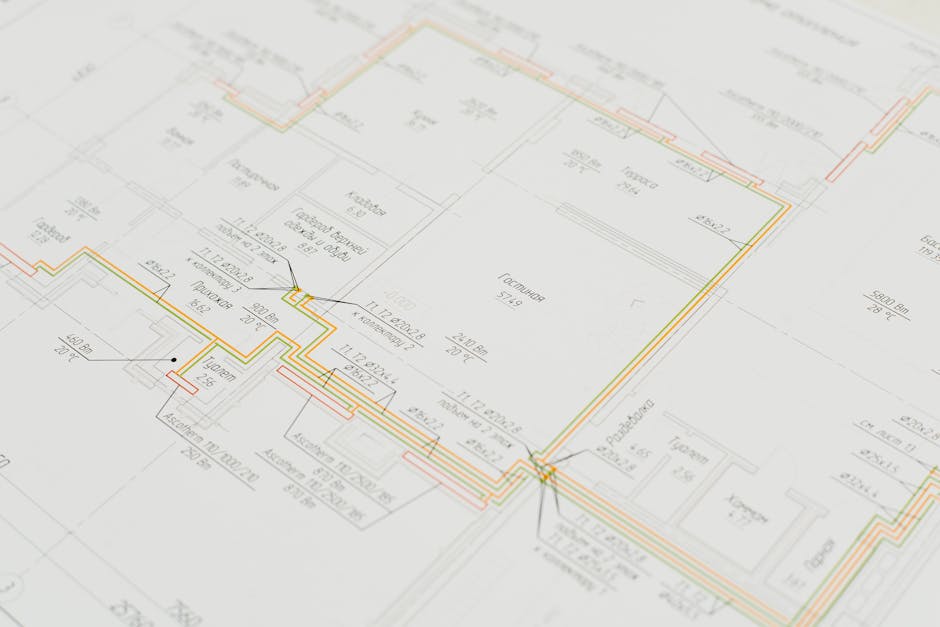
Smart design is the secret to making your net zero energy home plan budget work for you. Intelligent planning that harnesses natural forces can reduce costs while creating a more comfortable and beautiful home. This approach is at the heart of our Net Zero Home Design Blueprint for a Future-Proofed Lifestyle.
Passive Design: Getting Free Energy from Nature
Passive design strategies use nature to reduce energy needs, often at little to no extra cost.
- Site Orientation & Window Placement: Facing the long side of a home south with large, high-performance windows allows it to capture free solar heat in the winter.
- Overhangs and Shading: Properly designed overhangs block the high summer sun to prevent overheating while letting in the low winter sun for warmth.
- Thermal Mass: Materials like concrete floors absorb solar heat during the day and release it slowly at night, naturally moderating indoor temperatures.
- Natural Ventilation: Strategic window placement creates cross-breezes for cooling on mild days, reducing the need for air conditioning.
These principles of Passive Solar Energy: are foundational to our Eco Home Design philosophy.
Creating Your Initial Budget
The most impactful budget decisions happen before breaking ground.
- Right-Size Your Home: Every square foot you don’t build saves money on construction and long-term energy needs. A smaller, well-designed home often feels more luxurious than a larger, inefficient one.
- Optimize the Building Envelope: A “fabric-first” approach prioritizes a super-insulated, airtight shell. This is cheaper than generating more energy and allows for smaller, less expensive mechanical systems and solar arrays.
- Value Engineering: This means making smart choices, not cutting corners. For example, a simple roofline is cheaper to build, easier to air-seal, and provides more space for solar panels than a complex one.
Our goal is to make your Home Sweet Net Zero Home on a Budget a reality through thoughtful Net Zero House Plans.
Renovating vs. New Build: Budget Implications
Both renovating an existing home and building new can achieve net-zero, but the budget implications differ.
Renovating to Net-Zero
- Pros: Keep your location, spread costs over time with a phased approach, and reuse an existing structure.
- Cons: Potential for hidden issues (wiring, plumbing), structural limitations can make achieving peak performance difficult and expensive.
Building a New Net-Zero Home
- Pros: Complete design control, predictable costs, optimized for performance from day one.
- Cons: Higher upfront costs, requires finding a suitable lot, longer timeline from design to move-in.
A Net Zero Ready approach, where you build a highly efficient home and add solar panels later, offers a great compromise. Understanding What’s the Difference Between Net Zero & Net Zero Ready Homes? can help you decide.
Tapping into Savings: Incentives and Financing for Your Project
Here’s the best part of planning your net zero energy home plan budget – you’re not doing it alone! Governments and utility companies are eager to support your green building journey with incentives and financing options that can dramatically reduce your net costs. Think of them as your financial cheerleaders, rooting for you to build sustainably.
The landscape of financial support for net-zero homes has never been better. These programs exist because decision-makers recognize that energy-efficient homes benefit everyone – they reduce strain on the electrical grid, lower carbon emissions, and create healthier communities. When we work with clients at Hutter Architects, exploring these opportunities is always one of our first steps in making Energy Efficient Homes financially accessible.
Government Incentives and Utility Rebates
The world of green building incentives is like a treasure hunt – and the prizes are real money back in your pocket! The key is knowing where to look and how to stack multiple programs for maximum savings.
- Federal Tax Credits: In the U.S., the federal solar Investment Tax Credit (ITC) is a powerful tool, offering a dollar-for-dollar reduction on your federal taxes for a percentage of your solar installation cost.
- State and Local Incentives: Programs vary but can include state tax credits, grants, low-interest loans, or even property tax abatements for green building.
- Utility Company Rebates: Your local electric or gas company may offer rebates for installing high-efficiency heat pumps, smart thermostats, or for meeting specific energy performance targets.
The Database of State Incentives for Renewables & Efficiency (DSIRE) is an invaluable resource for finding programs in your area. We also connect clients with Sustainable Building Consultants who specialize in navigating these opportunities.
Innovative Financing for Green Builds
Beyond direct rebates and tax credits, the financing world has evolved to support sustainable construction in ways that can make your net zero energy home plan budget surprisingly manageable.
- Energy-Efficient Mortgages (EEMs): These mortgages allow you to borrow additional funds for energy-saving improvements. Lenders recognize that with lower utility bills, you can afford a slightly higher mortgage payment, making you a lower-risk borrower.
- PACE Financing: Property Assessed Clean Energy (PACE) programs let you finance upgrades through your property tax bill. The loan is tied to the property, not the owner, making it an attractive option.
- Green Building Loans: Some banks and credit unions offer lower interest rates or favorable terms for certified sustainable homes.
Starting this research early in the design process is key. A small design tweak can sometimes qualify your project for a major incentive, significantly improving your budget.
The Payoff: Calculating the Long-Term Value of a Net-Zero Home

The most exciting part of the net zero energy home plan budget is the payoff. The long-term rewards go far beyond the initial investment, changing your financial outlook and quality of life.
Beyond the Build: Lifetime Savings and Gains
- Energy Bill Elimination: A net-zero home produces as much energy as it consumes, effectively wiping out your utility bills. With the average U.S. household spending over $2,000 annually on energy, this translates to tens of thousands of dollars in savings over the life of a mortgage.
- Increased Property Value: Net-zero homes are highly desirable and command premium prices on the market. Certification acts as a powerful selling point, offering future buyers the promise of energy independence.
- Protection from Price Volatility: By generating your own power, you are insulated from unpredictable spikes in energy costs. This provides financial stability and peace of mind. The clear winner in the Net Zero vs Traditional Homes: Cracking the Code on Eco Living debate is the one that offers this security.
Factoring in Maintenance and Durability
Net-zero homes are built to a higher standard, which often translates to lower maintenance and superior durability.
- System Maintenance: Solar panels require minimal upkeep, mostly occasional cleaning, and come with 20-25 year warranties. High-efficiency HVAC and ventilation systems require standard annual servicing and filter changes but often last longer because they don’t have to work as hard.
- Superior Durability: The meticulous air-sealing and insulation that save energy also create a robust barrier against moisture and pests, preventing common structural problems.
- Health and Comfort: Continuous, filtered fresh air from an HRV/ERV system reduces indoor pollutants and allergens. The airtight, super-insulated envelope eliminates drafts and cold spots, creating a remarkably comfortable and quiet indoor environment.
When planning your budget, look beyond the upfront cost and consider these significant long-term financial and lifestyle benefits. Understanding What are the benefits of Zero Net Energy Homes? is key to making an informed investment.
Frequently Asked Questions about Your Net Zero Energy Home Plan Budget
Here are answers to the most common questions we hear at Hutter Architects when discussing the net zero energy home plan budget.
What is the typical payback period for a net-zero home investment?
The payback period is surprisingly short, typically 5-10 years. The calculation is simple: we take the initial premium cost, subtract all available incentives and rebates, and then divide that net cost by your annual energy savings. For example, if your net premium after incentives is $15,000 and you save $2,500 annually on energy, the payback is just 6 years. After that, the savings are pure profit.
Can I build a net-zero home in stages to manage the budget?
Absolutely. A “Net Zero Ready” home is the perfect strategy for this. The key is a “fabric-first” approach: you prioritize building a super-insulated, airtight envelope with high-performance windows and efficient mechanical systems. These elements are difficult and costly to retrofit, so they must be done right from the start. You can then add solar panels later when your budget allows, completing your journey to full net-zero. This phased approach offers excellent budget flexibility.
How does home size impact the affordability of a net-zero build?
Home size has a significant impact on affordability. A smaller home requires fewer materials, which lowers construction costs. Crucially for a net-zero build, a smaller, more efficient footprint also requires smaller (and less expensive) mechanical systems and a smaller solar array to reach net-zero. “Right-sizing” your home by building only the space you truly need is one of the most effective ways to manage your budget without sacrificing comfort or quality.
Conclusion: Building Your Future-Proof Home Today
The “million-dollar green home” myth? Consider it officially busted! Throughout our journey together, we’ve finded that a thoughtfully planned net zero energy home plan budget doesn’t require winning the lottery or sacrificing your financial future. In fact, the numbers tell a compelling story – that modest $23,000 premium for a net-zero home often disappears entirely when you factor in government incentives, utility rebates, and innovative financing options.
What truly excites me about net-zero homes is how smart design becomes your secret weapon. When we harness passive solar principles and create that super-insulated building envelope, we’re essentially teaching your home to work with nature rather than against it. The result? A home that sips energy instead of guzzling it, leading to utility bills that hover near zero month after month.
But here’s what really gets me passionate about this work: it’s not just about the money you’ll save (though that’s pretty fantastic). It’s about the superior comfort you’ll experience – no more cold spots or drafty corners. It’s about the healthier indoor air quality that comes from properly designed ventilation systems. And it’s about the peace of mind knowing you’re protected from volatile energy markets for decades to come.
The long-term value equation is simply irresistible. While your neighbors worry about rising utility costs, you’ll be enjoying the financial freedom that comes with energy independence. Your property value increases, your monthly expenses decrease, and you get to live in a home that’s built to last with remarkable durability.
At Hutter Architects, we’ve seen how Eco-Friendly Homes transform not just energy bills, but entire lifestyles. Building net-zero isn’t just about being environmentally responsible – though that matters deeply to us. It’s about making the smartest possible investment in your family’s future.
Your energy-independent future is closer than you think. Every day you wait is another day of paying utility bills that could be eliminated. Ready to take that next step toward a home that works as hard for you as you do for your family?
Take the next step towards your energy-independent future by exploring our Net Zero Homes services. Let’s build something extraordinary together.


