
Green construction strategies: 10 Powerful Ways for a Better 2025
Building a Sustainable Future with Green Technologies
Green construction strategies are environmentally responsible building approaches that minimize resource consumption, reduce waste, and create healthier spaces for occupants while lowering long-term operational costs. These strategies encompass the entire building lifecycle – from site selection through design, construction, operation, maintenance, renovation, and demolition.
“Green building uses design and planning strategies to reduce the harmful impacts of buildings on the environment while benefiting occupant health and cost efficiency.” – U.S. Environmental Protection Agency
Key Green Construction Strategies:
- Energy Efficiency – High-performance insulation, efficient HVAC systems, LED lighting, smart controls
- Water Conservation – Low-flow fixtures, rainwater harvesting, greywater recycling
- Sustainable Materials – Recycled content, locally sourced, low embodied carbon
- Site Planning – Transit-oriented development, brownfield redevelopment, preservation of natural features
- Indoor Environmental Quality – Low-VOC materials, natural ventilation, daylighting
- Renewable Energy – Solar PV, geothermal systems, battery storage
- Waste Reduction – Construction waste management, prefabrication, modular design
Buildings account for approximately 40% of global greenhouse gas emissions and consume 40% of raw materials worldwide. By implementing green construction strategies, we can reduce a building’s carbon footprint by up to 70% while creating spaces that promote health, productivity, and environmental stewardship.
I’m Pam Hutter, Principal Architect at Hutter Architects in Chicago, Illinois, where I’ve spent over fifteen years implementing green construction strategies in award-winning residential and commercial projects that balance sustainability with beautiful, functional design.
Easy Green construction strategies word list:
– Eco-friendly home construction
– LEED certified home plans
– Sustainable neighborhood design
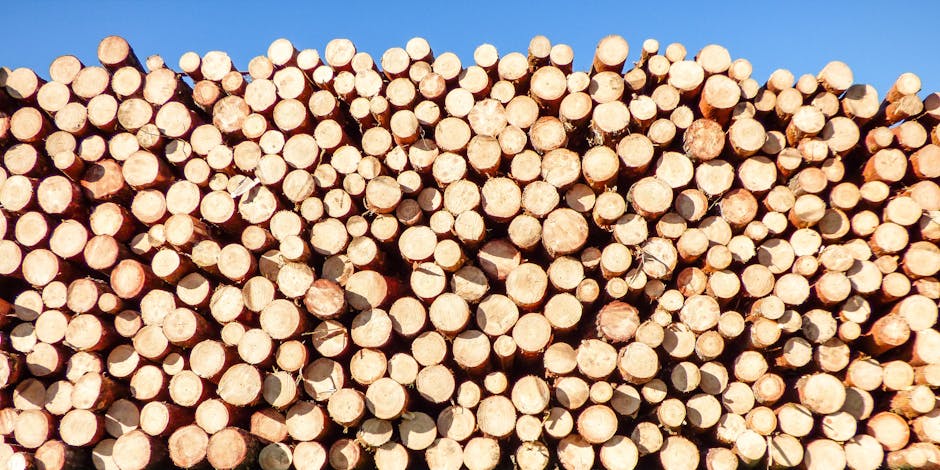
What Is Green Construction and How Does It Differ from Traditional Building?
Green construction fundamentally reimagines our approach to building. While traditional construction often focuses on meeting minimum standards and initial budgets, green construction strategies accept a holistic view that considers a building’s entire lifecycle and its broader impact on our world.
Think about this: the construction industry currently consumes about half of all raw materials worldwide and generates nearly a third of our landfill waste. That’s an enormous footprint that traditional building methods rarely address head-on.
As the International Green Building Council puts it: “A green building is one that amplifies positive environmental impacts and reduces negative ones throughout its lifecycle by prioritizing resource efficiency, energy conservation, sustainable materials, and occupant wellbeing.”
When you compare traditional and green approaches, the differences become clear. Traditional building aims to simply meet code requirements, while green construction strives for performance excellence that goes well beyond the minimum. Conventional construction follows a linear “take-make-dispose” path, while green construction strategies accept circularity—where materials are reused, recycled, and waste is minimized at every step.
The design process itself transforms too. Rather than working in separate silos, green projects bring together integrated teams that collaborate from day one, finding innovative solutions that wouldn’t emerge in traditional separated workflows.
Perhaps most importantly, green building shifts our focus from just initial costs to long-term value. Yes, some sustainable features may cost more upfront, but they deliver significant operational savings while creating healthier spaces and reducing environmental impact over decades of use.
A particularly powerful green construction strategy is adaptive reuse—giving new life to existing buildings rather than demolishing them. This approach preserves the energy already “embedded” in the structure and can cut carbon emissions by up to 50% compared to new construction.
Core Drivers Behind the Shift
Several compelling forces are accelerating our move toward greener building practices:
Climate change stands at the forefront of this change. With buildings responsible for about 40% of global greenhouse gas emissions, the construction industry plays a crucial role in meeting Paris Agreement goals of reaching net-zero building emissions by 2050.
We’re also facing the reality of resource depletion. When construction consumes 40% of natural resources in industrialized nations, sustainable practices aren’t just preferable—they’re necessary to preserve finite materials for future generations.
Market demand continues to grow stronger. Recent surveys show that 73% of homeowners would pay more for eco-friendly homes, creating real economic incentives for developers to build green.
As climate-related disasters increase, resilience has become non-negotiable. Buildings must now be designed to withstand environmental challenges while maintaining functionality through extreme events.
Finally, investor priorities have shifted dramatically. ESG (Environmental, Social, Governance) criteria now heavily influence investment decisions, with green buildings commanding premium values and attracting institutional capital.
We can see these principles in action at The Plus for Vestre, one of the world’s greenest furniture factories. This remarkable facility generates 55% fewer greenhouse gases and uses 60% less energy than comparable traditional industries, while creating a healthier, more productive workplace.
The shift to green construction strategies isn’t just a trend—it’s a fundamental rethinking of how we build for a sustainable future. At Hutter Architects, we’ve acceptd these principles to create homes that are not just beautiful and functional, but also kind to our planet and the people who live in them.
Core Principles and Goals of Green Construction Strategies

When we talk about green construction strategies, we’re really discussing a thoughtful approach to building that considers both our planet and the people who will use these spaces. These aren’t just trendy ideas—they’re practical principles that create better buildings for everyone involved.
Integrated Design Process
Remember how your grandmother would say many hands make light work? That’s the essence of integrated design. Unlike traditional construction where everyone works in their own lane, green building brings architects, engineers, contractors, and future occupants together from day one.
This collaborative spirit helps identify creative solutions that might otherwise be missed. As William McDonough, a pioneering sustainable architect, puts it: “True green buildings require context-specific, site-driven solutions rather than one-size-fits-all measures.” When teams work together from the start, magic happens—conflicts are prevented before they arise, and the whole truly becomes greater than the sum of its parts.
Passive Design Solutions
Nature offers us free energy and comfort—we just need to design smart enough to capture it. Passive design is like working with nature instead of fighting against it. It’s about using natural forces like sunlight, wind, and the thermal properties of materials to keep buildings comfortable with minimal mechanical help.
A well-oriented home can be a game-changer. By positioning windows to welcome winter sun while blocking the harsh summer rays, we can dramatically reduce heating and cooling needs. Natural ventilation creates refreshing breezes through strategically placed openings. Materials like concrete and stone act as thermal batteries, absorbing heat during the day and releasing it at night to maintain comfortable temperatures.
The science backs this up too. Scientific research on passive solar design demonstrates that these approaches can slash heating costs by 40-90% in many climates—that’s not just good for the planet, it’s great for your wallet too.
Energy Efficiency
Think of energy efficiency as the foundation of green construction strategies. It’s about doing more with less—creating comfortable, functional spaces while minimizing energy consumption. This includes wrapping buildings in high-performance insulation (like putting a cozy sweater on your home), installing efficient heating and cooling systems, and using smart controls that optimize energy use throughout the day.
Water Stewardship
Water is precious, and getting more so every year. Green buildings recognize this reality by treating water as the valuable resource it is. This means installing fixtures that use less water without sacrificing performance, capturing rainwater for irrigation and toilet flushing, and managing stormwater on-site to prevent flooding and pollution. A thoughtfully designed green building might reduce water use by 30-50% compared to conventional construction.
Material Circularity
We’re moving beyond the take-make-waste approach of the past. Material circularity accepts the idea that today’s buildings are tomorrow’s material banks. This means selecting materials that have recycled content whenever possible, can be repurposed at the end of their life, come from sustainable sources (like FSC-certified wood), contain minimal harmful chemicals, and have a low carbon footprint during production.
Indoor Environmental Quality
We spend about 90% of our lives indoors, so the quality of those spaces profoundly affects our wellbeing. Green buildings prioritize your health through better indoor air quality (using materials that don’t off-gas harmful chemicals), abundant natural light (which improves mood and productivity), connections to nature (even simple views of greenery reduce stress), comfortable acoustics, and pleasant temperatures. These aren’t luxury features—they’re essential ingredients for human thriving.
Community Resilience
No building is an island. Sustainable buildings strengthen the communities around them by standing strong during extreme weather, reducing strain on local infrastructure, creating jobs, and enhancing neighborhood livability. A well-designed green building becomes an asset to its community for generations.
“Green construction strategies” Pillars in Practice
Turning these principles into reality requires practical approaches. Successful green projects start with design-for-performance, setting specific targets for energy use and other metrics rather than vague aspirations. They accept site optimization by choosing locations that minimize environmental impact while connecting to existing community resources.
Renewable integration is increasingly affordable and effective, with on-site solar generation and storage helping many buildings approach net-zero energy use. Zero-waste construction techniques minimize what goes to landfill through careful planning, prefabrication, and on-site recycling. Finally, post-occupancy feedback ensures the building performs as intended through ongoing monitoring and adjustments.
Aligning With Leading Standards
You don’t need to reinvent the wheel when implementing green construction strategies. Several established certification systems provide clear roadmaps:
LEED (Leadership in Energy and Environmental Design) remains the most recognized global standard, with over 100,000 registered projects showing its widespread adoption. BREEAM (Building Research Establishment Environmental Assessment Method), the world’s first sustainability assessment method, has issued more than 565,000 certificates across 80 countries. For homes specifically, the NGBS (National Green Building Standard) offers the only ANSI-approved residential green rating system in the United States. And the WELL Building Standard puts special focus on the health and wellness of building occupants.
These frameworks provide both guidance during design and third-party verification that your green building truly delivers on its promises. For more in-depth exploration of sustainable approaches, our guide on the Principles of Sustainable Building Design offers additional insights.
When thoughtfully applied, these principles create buildings that not only tread lightly on the earth but also provide healthier, more comfortable spaces for people to live and work. That’s the true promise of green construction strategies—buildings that are better for everyone.
Effective Green Construction Methods and Techniques

When it comes to actually building green, it’s the hands-on techniques that transform good intentions into reality. Let’s explore the practical methods that make sustainable buildings come to life.
Imagine a home that stays comfortable year-round with minimal energy use. That’s the magic of passive solar design, which works with nature instead of against it. By positioning windows strategically on south-facing walls (in the Northern Hemisphere) and incorporating thermal mass floors that soak up heat during sunny days, these homes can slash heating needs by a remarkable 75%. I’ve seen homeowners shocked by how comfortable their spaces remain even during power outages.
“I barely touched my thermostat all winter,” one homeowner told me after her first year in a passive solar home. “The sun did most of the work.”
Insulated Concrete Forms (ICFs) offer another powerful approach. These foam block systems filled with concrete create walls that stand up to extreme weather while providing exceptional insulation. With R-values between 20-25 (compared to traditional walls at R-13), they create a fortress against energy loss. During a recent tornado in the Midwest, an ICF home remained standing while neighboring stick-built houses suffered significant damage.
Builders are also embracing advanced framing techniques that do more with less. By switching to 2×6 studs spaced 24 inches apart (instead of the traditional 2×4 studs at 16 inches), we create walls with more insulation and less thermal bridging while using 15-20% less lumber. It’s a win-win for forests and energy bills.
When summer heat beats down, cool roofs and green roofs shine. Cool roofs reflect sunlight instead of absorbing it, reducing cooling costs by 15-30% and roof temperatures by up to 50°F. Green roofs take this further by covering the roof with vegetation, capturing rainwater, cooling the building, and creating habitat for birds and beneficial insects. They’re like little ecosystems perched above our heads!
The most efficient heating and cooling system is useless if your building leaks like a sieve. That’s why airtight building envelopes have become a cornerstone of green construction strategies. By carefully sealing every crack and penetration, builders can reduce energy loss by 25-40%. I remember testing one home with a blower door and finding it was so airtight that we needed to verify our equipment was working correctly!
Of course, airtight homes need fresh air. Enter Energy Recovery Ventilation systems, which bring in fresh air while capturing up to 80% of the heating or cooling energy from the exhaust air. These systems ensure healthy indoor air without the energy penalty.
Site Selection & Planning

Where you build matters as much as how you build. The most sustainable building in the wrong location can still create environmental problems.
The choice between brownfield and greenfield development represents one of the most significant site decisions. Building on previously developed brownfields (like former industrial sites) preserves natural habitats and typically leverages existing infrastructure. Meanwhile, greenfield development often requires new roads, utility lines, and disrupts natural ecosystems.
| Factor | Greenfield Development | Brownfield Redevelopment |
|---|---|---|
| Land Conservation | Consumes natural habitats | Preserves undeveloped land |
| Infrastructure | Requires new utilities and roads | Uses existing infrastructure |
| Transportation Impact | Often car-dependent | Can leverage existing transit |
| Stormwater Management | Creates new impervious surfaces | Often reduces impervious coverage |
| Community Impact | May fragment communities | Can revitalize neighborhoods |
| Embodied Carbon | Higher due to new infrastructure | Lower through reuse of materials |
Urban planner Jeff Speck puts it simply: “Building in dense, transit-oriented places inherently promotes walkability and reduces tailpipe emissions.”
Transit-oriented development places buildings near public transportation, allowing residents to reduce car dependency. One project I worked on near Chicago’s transit line resulted in residents driving 60% less than the regional average. The carbon savings were substantial, and residents saved thousands in transportation costs annually.
Good site planning also focuses on ecological preservation and improvement. Before drawing a single line, we assess existing trees, vegetation, and wildlife corridors. Preserving mature trees isn’t just environmentally sound—it creates immediate shade, beauty, and habitat value that new saplings would take decades to provide.
The most sustainable buildings also accept community connectivity, placing homes within walking distance of daily needs. When residents can walk to grab coffee, pick up groceries, or visit a park, they drive less and engage more with their community. The social and environmental benefits multiply.
Energy Efficiency & Renewables – A “Green Construction Strategies” Toolbox
The heart of green building lies in dramatically reducing energy use while generating clean energy onsite.
A high-performance building envelope forms the foundation of energy efficiency. Think of it as a really good thermos that keeps hot things hot and cold things cold. Super-insulated walls (R-30+) and roofs (R-50+) paired with triple-glazed windows create a protective cocoon that requires minimal energy to maintain comfort. Even small details matter, like using insulated access doors and panels to maintain thermal integrity at service points.
“Our system on these homes helps them be about 65% more efficient than a standard new home,” says Dennis Helblig, a green building contractor in Las Vegas. That’s not incremental improvement—it’s changeal.
With the envelope optimized, smart HVAC systems can be properly sized (often much smaller than conventional systems). Modern heat pumps provide both heating and cooling at efficiencies 3-4 times higher than traditional systems. When paired with zoned controls and smart thermostats that learn occupancy patterns, energy waste virtually disappears.
The renewable energy revolution has made on-site power generation accessible to virtually any project. Rooftop solar panels that once seemed exotic are now mainstream, often paying for themselves in 7-10 years while providing decades of clean electricity. When paired with battery storage, these systems provide resilience during grid outages—a benefit many homeowners finded during recent weather-related power failures.
The final piece of the energy puzzle is comprehensive commissioning—testing and fine-tuning all systems to ensure they perform as designed. This quality assurance process typically improves energy performance by 5-15%, paying for itself quickly through operational savings.
Water Conservation & Management
As climate change intensifies drought cycles and population growth strains water supplies, water-wise design has become essential.
Rainwater harvesting systems collect free water from the sky for irrigation, toilet flushing, and other non-potable uses. A 2,000-square-foot roof in a region receiving 40 inches of annual rainfall can collect about 50,000 gallons per year—often enough to handle most landscape needs.
For indoor water, greywater reuse systems capture water from showers and sinks, treat it, and repurpose it for toilet flushing or irrigation. These systems can reduce potable water demand by 30-50%, easing strain on municipal supplies.
The simplest water-saving approach involves installing low-flow and sensor-operated fixtures. Modern toilets use as little as 1.28 gallons per flush (compared to 3.5+ gallons in older models), while efficient faucets and showerheads maintain performance while using 30% less water. Small changes add up to big savings.
Outside, landscape water efficiency starts with choosing the right plants. Native and drought-tolerant species thrive with minimal irrigation once established. When irrigation is necessary, high-efficiency systems with smart controllers adjust watering based on weather conditions and soil moisture, preventing waste.
Stormwater management completes the water picture by handling rainfall on-site rather than sending polluted runoff to storm sewers. Bioswales, rain gardens, and permeable paving allow water to infiltrate naturally, recharging groundwater and reducing flood risks. Green roofs can retain up to 75% of rainfall, releasing it slowly and reducing strain on municipal systems during heavy rain events.
Indoor Environmental Quality & Occupant Well-Being
A truly green building isn’t just good for the planet—it’s good for the people inside it too.
Natural daylighting transforms interior spaces, connecting occupants to daily and seasonal rhythms while reducing lighting energy. Strategic window placement, light shelves that bounce daylight deeper into rooms, and automated controls that dim electric lights when daylight is sufficient all contribute to spaces that feel alive and vibrant. Studies consistently show that proper daylighting improves mood, productivity, and sleep quality.
Indoor air quality often gets overlooked, but it’s crucial for health. The EPA notes that Americans spend 90% of their time indoors, where pollutant levels can be 2-5 times higher than outdoors. Green buildings address this through low-VOC materials, improved ventilation, and high-efficiency filtration. The difference is immediately noticeable—no “new house smell” (which is actually the scent of chemicals off-gassing).
Biophilic design brings nature indoors through plants, natural materials, and views to outdoor spaces. These connections to nature reduce stress and improve cognitive function. In healthcare settings, patients with views of nature typically recover faster and require less pain medication than those facing blank walls.
Finally, acoustic comfort ensures spaces support concentration and communication. Sound-absorbing materials, thoughtful space planning, and proper insulation between rooms create environments where people can focus without distraction. In a world of open floor plans and hard surfaces, good acoustic design stands out immediately.
By implementing these green construction strategies, builders create spaces that support both planetary and human health—a powerful combination that’s changing how we think about the built environment.
Sustainable and Recycled Materials: Choosing the Right Palette

When it comes to green construction strategies, the materials we choose tell a powerful story about our commitment to sustainability. Think of your material palette as both a design statement and an environmental declaration—each selection impacts our planet, the people who inhabit your spaces, and how your building performs over decades.
Sustainable Structural Materials
The bones of your building deserve special attention. Recycled steel has become a hero material in sustainable construction, requiring 75% less energy than virgin steel while maintaining identical strength properties. What’s remarkable is that steel can be recycled infinitely without degrading in quality, making it an excellent choice for structural elements where you need exceptional strength with minimal material.
Walking through a forest responsibly harvested for FSC-certified wood feels different—because it is. These forests maintain biodiversity, protect water resources, and support local communities. When you choose FSC-certified wood for your project, you’re creating a building that produces 50-90% fewer greenhouse gas emissions than steel or concrete alternatives while supporting sustainable forestry practices.
“I’ve watched clients touch the exposed mass timber beams in their homes with a sense of wonder,” says a Chicago-based sustainable builder. “There’s something deeply satisfying about seeing structural elements that actually sequester carbon.” Products like cross-laminated timber (CLT) and glue-laminated timber (glulam) transform smaller, faster-growing trees into structural elements with impressive fire resistance and structural performance.
The world of bio-based alternatives continues to expand with exciting options. Hempcrete—a mixture of hemp hurds and lime—provides both insulation and thermal mass in one material. Mycelium-based materials grown from fungal roots can replace conventional foam insulation. Bamboo grows astonishingly fast and offers strength comparable to steel in certain applications, while straw bale construction transforms agricultural waste into walls with exceptional insulation properties.
Interior Finishes and Furnishings
The surfaces we touch and breathe around matter tremendously. Low-VOC materials have transformed interior environments by eliminating harmful volatile organic compounds that off-gas from conventional paints, stains, and adhesives. When clients walk into a newly finished space and don’t smell that “new paint smell,” they’re experiencing the benefit of these healthier alternatives.
Materials with recycled content tell compelling stories while reducing virgin resource extraction. Imagine countertops sparkling with fragments of recycled glass, carpet tiles made from reclaimed fishing nets, or ceiling panels incorporating industrial waste. These products close material loops while creating beautiful, functional spaces.
Nature’s rapid regeneration offers another sustainable pathway. Rapidly renewable materials like cork flooring (harvested from bark that regrows every nine years), wool carpeting from annually shorn sheep, and linoleum made from linseed oil give us beautiful interiors with minimal environmental impact.
For a deeper dive into sustainable material options that might work for your project, our guide to Eco-Friendly Construction Materials offers practical insights and inspiration.
Embodied Carbon Hotspots & Reduction Strategies
The invisible climate impact of our building materials—their embodied carbon—has become a central focus of green construction strategies. This carbon footprint includes emissions from extracting raw materials, manufacturing products, transporting them to your site, and constructing your building.
Concrete’s climate impact is substantial, with conventional Portland cement production accounting for roughly 8% of global CO2 emissions. The good news? Alternatives are becoming more accessible. Fly ash from coal plants can replace 15-30% of cement content. Ground granulated blast furnace slag from steel production makes excellent cement replacement. Limestone calcined clay cement reduces emissions by 40%, while some innovative concrete products actually absorb CO2 during curing.
“When we shifted from concrete to mass timber construction on a recent project, we reduced the building’s embodied carbon by nearly 45%,” reports a sustainable architect. “The carbon stored in the wood actually offset the emissions from manufacturing and transportation.” This approach transforms buildings from carbon sources into carbon sinks.
The controlled environment of modular and prefabricated construction offers multiple carbon benefits. Factory-based production typically reduces material waste by 50-75%, optimizes resource use through precision manufacturing, and shortens construction schedules—reducing equipment emissions on site. I’ve watched prefab components arrive on site like perfectly packaged puzzle pieces, minimizing waste and speeding assembly.
Looking toward the future, design for disassembly represents one of the most forward-thinking green construction strategies. By using mechanical connections instead of adhesives, standardizing components, and making connections accessible, we create buildings whose materials can be reused when the structure reaches the end of its useful life. Think of it as designing today for tomorrow’s material needs.
“Every material choice is a climate choice,” as one sustainable designer puts it. By focusing on these embodied carbon hotspots, we can dramatically reduce a building’s lifetime environmental impact before it even opens its doors.
Economics, Certifications, and Community Impact
The dollars and cents of green construction strategies tell a compelling story these days. What was once seen as a costly upgrade is increasingly recognized as just smart business.
Let’s be honest – everyone wants to know if going green actually pays off. The good news? It absolutely does.
Green buildings save money through lower utility bills – typically 20-30% less than traditional buildings, with some superstar projects cutting costs by more than half. Property values get a healthy boost too, with studies showing green-certified buildings selling for 7-11% more than their conventional counterparts.
“My clients are often surprised when I show them the long-term numbers,” says a Chicago-based sustainable architect. “When they see they can recoup their investment through energy savings alone, the decision becomes much easier.”
The rental market tells a similar story. Green commercial buildings earn 3-8% higher rental income and experience less vacancy. Tenants understand the value proposition: healthier spaces, lower utility bills, and the satisfaction of a smaller environmental footprint.
Homebuyers get it too. Research shows they’re willing to pay an average of $9,292 more upfront to save $1,000 annually in utility costs. That’s a compelling investment by any standard!
Navigating Certification Pathways
Green building certifications provide valuable third-party verification that a building truly delivers on its sustainability promises. Each system has its own focus and strengths:
LEED (Leadership in Energy and Environmental Design) evaluates buildings across multiple categories including energy use, water efficiency, materials, and indoor environmental quality. Projects earn points to achieve Certified, Silver, Gold, or Platinum status. Properties with LEED certification sell for an average of 9.5% more than comparable non-certified buildings.
BREEAM (Building Research Establishment Environmental Assessment Method), originating in the UK, assesses everything from energy and materials to pollution and transport considerations.
NGBS (National Green Building Standard) focuses specifically on residential projects, covering lot design, resource efficiency, energy performance, water conservation, and indoor environmental quality. According to Home Innovation Research Labs, 94% of NGBS-certified homeowners would recommend a green residence to others.
ENERGY STAR homes command a 2-8% price premium and provide instant recognition among consumers familiar with the label from appliances and electronics.
These certifications don’t just look good on paper – they often qualify projects for preferential financing and incentives.
Financing & Incentive Mechanisms
Several smart financial tools make green building more accessible:
Energy Efficient Mortgages allow borrowers to qualify for larger loans when purchasing energy-efficient homes, recognizing that lower utility costs mean more available income for mortgage payments.
Property Assessed Clean Energy (PACE) financing lets property owners fund energy improvements through assessments added to property tax bills, creating positive cash flow from day one in many cases.
Utility rebates provide cash incentives for energy and water efficiency measures, sometimes covering 50% or more of upgrade costs.
Tax incentives at federal, state, and local levels can significantly reduce the cost of green features through credits and deductions.
Green bonds specifically finance environmentally beneficial projects, connecting sustainable buildings with investors who care about environmental impact.
Carbon offset markets are emerging as ways to monetize the carbon reductions achieved through building improvements.
Economic Development and Job Creation
Green construction strategies don’t just benefit building owners – they strengthen the entire economy:
The green building industry contributes more than $134.3 billion in labor income to working Americans. These jobs typically pay 13% more than conventional construction positions, creating pathways to the middle class.
For every $1 million invested in energy efficiency, 8-12 jobs are created – significantly more than the 5-7 jobs generated by the same investment in fossil fuel industries.
Community and Social Impact
The benefits of green buildings extend far beyond their property lines:
Green roofs and reflective surfaces can reduce urban temperatures by 2-5°F, fighting the urban heat island effect that makes cities dangerously hot during summer months.
On-site water management systems reduce flooding risks and ease the burden on aging municipal infrastructure during heavy rains.
Green affordable housing dramatically reduces the utility burden for low-income residents, freeing up precious dollars for other necessities like food, medicine, and education.
Improved indoor air quality in schools and homes reduces respiratory illnesses, allergies, and asthma attacks, lowering healthcare costs and boosting productivity.
Perhaps most importantly, green projects often spark neighborhood revitalization. A thoughtfully designed green building can become a source of community pride and catalyst for additional investment.
For more information on these broader benefits, the USGBC Green Building Facts resource provides excellent data and case studies.
When we look at the complete picture – from direct financial returns to community-wide benefits – the case for green construction strategies becomes undeniable. It’s not just good for the planet; it’s good for people and profits too.
Smart Technologies & Innovation: The Next Wave of Green Construction Strategies

Remember when “smart home” meant having a programmable thermostat? Those days are long gone. Today’s green construction strategies are being boostd by cutting-edge technologies that transform buildings from passive structures into responsive, intelligent systems that continuously optimize their performance.
Building Information Modeling (BIM)
Before the first shovel hits the ground, today’s green buildings exist as detailed digital models. BIM technology has revolutionized how we design sustainable structures by creating comprehensive virtual representations that simulate real-world performance.
“I remember when we had to manually calculate energy loads on paper,” laughs Maya Patel, an architectural technologist. “Now BIM lets us simulate a building’s performance under countless scenarios, identify conflicts between systems before installation, and optimize material quantities to virtually eliminate waste.”
What’s particularly exciting is how BIM facilitates lifecycle assessment. We can now evaluate environmental impacts from cradle to grave, making informed decisions about materials and systems based on their total carbon footprint, not just their upfront cost.
The technology even enables virtual reality walkthroughs, allowing clients to experience their future green home before construction begins. This immersive approach helps stakeholders understand and accept sustainable design choices they might otherwise find unfamiliar.
Digital Twins and IoT Integration
Imagine your home as a living organism that senses, thinks, and adapts. That’s essentially what happens when we create digital twins – virtual replicas of physical buildings connected to real-time data streams.
Digital twins transform green construction strategies from static designs into dynamic systems. Networks of sensors monitor everything from temperature and humidity to occupancy patterns and energy consumption. This continuous feedback loop allows building systems to automatically adjust based on changing conditions and occupant preferences.
“The magic happens when everything talks to each other,” explains Josh Hanson, a multifamily developer. “Circulating the water lines through the HVAC system allows the water heater to provide heating in the colder months, helping make efficient use of technology, and reducing the energy use and utility costs across the apartment community.”
Perhaps most valuable is the predictive maintenance capability. By analyzing performance data, systems can identify potential equipment failures before they happen, extending the lifespan of building components and reducing waste.

Artificial Intelligence and Machine Learning
AI is bringing an unprecedented level of intelligence to green buildings. Rather than simply responding to current conditions, AI-improved systems can anticipate needs and optimize performance proactively.
Predictive controls use weather forecasts and historical data to prepare heating and cooling systems hours before conditions change. Occupancy pattern recognition learns when different spaces are typically used and adjusts lighting and ventilation accordingly. This might sound simple, but the energy savings can be substantial – often 15-25% beyond what traditional scheduled systems achieve.
The real breakthrough comes with fault detection and diagnostics. AI continuously monitors building performance, identifying inefficiencies that would be invisible to human operators. A slight pressure drop in one duct, a gradual decrease in heat exchanger efficiency – these subtle changes that might waste energy for months before being noticed are immediately flagged by AI systems.
Indoor air quality optimization is another frontier where AI excels. Smart buildings can balance ventilation, filtration, and humidity to create healthier indoor environments while minimizing energy use.
Parametric Design and Generative Architecture
Computational design tools have transformed how we approach sustainable architecture. Rather than manually testing a handful of design options, parametric tools can evaluate thousands of variations to find optimal solutions.
This approach is particularly powerful for facade design, where the goal is to maximize natural daylight while minimizing unwanted heat gain. By analyzing sun paths, prevailing winds, and site context, parametric tools can generate facade patterns that respond precisely to local conditions.
Structural systems benefit similarly, with algorithms identifying ways to maintain strength while reducing material use. The result is buildings that do more with less – a core principle of green construction strategies.
Prefabrication and Modular Construction
The construction site is increasingly becoming an assembly site, with components manufactured in controlled factory environments. This shift dramatically improves quality control, reduces waste, and shortens construction schedules.
Mass timber panel systems arrive ready for assembly, complete with precise cutouts for windows, doors, and services. Fully finished modular units can include everything from fixtures to finishes, minimizing on-site work and the associated waste and disruption.
The precision of factory production means tighter tolerances, better air sealing, and superior insulation installation – all critical factors in building performance. And since work happens simultaneously on-site and in factories, construction timelines shrink, reducing the carbon footprint of the construction process itself.
Even more exciting is the emergence of robotic assembly and 3D printing technologies. These approaches not only improve precision but also enable forms and structures that would be impractical with traditional methods.
Resilience Analytics and Climate Adaptation
As climate change intensifies, buildings need to adapt to increasingly unpredictable conditions. Smart technologies are essential to this resilience strategy.
Weather prediction systems integrated with building controls can prepare for extreme events, adjusting systems hours before storms arrive. Automated stormwater management can respond to rainfall intensity, maximizing retention during heavy precipitation and releasing water gradually to reduce flooding risks.
Dynamic facade systems adapt to changing solar conditions throughout the day and seasons, optimizing the balance between daylighting and heat gain. Microgrids with on-site generation and storage maintain power during utility outages, ensuring critical systems remain operational.
Perhaps most importantly, real-time monitoring of structural integrity during extreme events allows buildings to “report” on their condition, helping occupants and emergency responders make informed decisions.
These innovations represent the exciting future of green construction strategies, enabling buildings to become more responsive, efficient, and resilient than ever before. The smart, sustainable home isn’t just a concept anymore—it’s being built today, with technologies that continue to evolve at a breathtaking pace.
Frequently Asked Questions about Green Construction Strategies
How much more does a green building cost upfront?
The cost question is probably the first thing most people wonder about green construction strategies. Good news – this story has changed dramatically in recent years!
“Perhaps surprisingly, good green buildings often cost only a few percentage points or no more to build than conventional designs,” reports the EPA.
Today’s green building premium is much more reasonable than many expect:
– Basic green approaches and LEED Certified level typically add just 0-2% to construction costs
– Mid-level certification like LEED Silver or NGBS Gold might add 2-5%
– High-performance buildings aiming for LEED Platinum or net-zero energy might see 5-10% higher initial costs
But here’s the exciting part – these upfront investments pay for themselves through multiple channels. Most green buildings reach payback within 3-7 years through lower utility bills. Many utility companies offer rebates covering 20-30% of green feature costs. Tax incentives sweeten the deal further, while the property itself gains value and commands higher rent. Even maintenance costs tend to drop with quality green materials and systems.
The secret to keeping costs in check? Integrated design. When architects, engineers, contractors and owners collaborate from day one, they find smart synergies. For example, investing in better windows and insulation often means you can install smaller, less expensive heating and cooling equipment.
Can existing buildings adopt green construction strategies during renovation?
Absolutely! In fact, greening an existing building is often the most sustainable choice of all. You’re preserving all the embodied carbon in the current structure while boosting its performance – a true win-win.
When renovating green, start with an energy audit to identify your biggest opportunities. Most existing buildings benefit enormously from improved air sealing and insulation – the building envelope is usually the low-hanging fruit. Window upgrades make a huge difference too, whether full replacement or adding weather-stripping and storm windows to what’s there.
HVAC systems, lighting, and plumbing fixtures offer more straightforward upgrades. Switching to high-efficiency equipment, LED lighting with smart controls, and water-saving fixtures delivers immediate savings. Many renovations can also accommodate renewable energy additions and smart home technology that optimizes energy use.
“We designed these homes to meet the DOE Zero Energy Ready Program; they were built to be highly energy efficient and able to have all of the homes’ annual energy consumption offset by a renewable energy source,” explains Steve Escalante, a builder specializing in green renovations.
The good news is that all major green certification systems offer pathways specifically for existing buildings – LEED for Building Operations and Maintenance, BREEAM In-Use, and the NGBS remodeling program all provide frameworks for greening what you’ve already got.
Which certification is best for residential projects?
When it comes to green home certification, we’re fortunate to have several excellent options, each with its own personality and focus:
LEED for Homes brings international recognition and comprehensive coverage of all sustainability aspects. With its four certification levels (Certified through Platinum), strong focus on indoor air quality, and flexibility for both single-family and multifamily projects, it’s a prestigious choice recognized worldwide.
National Green Building Standard (NGBS) is the only residential green standard with ANSI approval, making it particularly credible. Many find it more cost-effective to certify than other systems. With four certification levels from Bronze to Emerald, NGBS works beautifully for single-family homes, multifamily buildings, remodeling projects, and even land development.
ENERGY STAR for Homes keeps things simpler by focusing specifically on energy efficiency. The certification process is more straightforward, costs less, and carries strong consumer recognition. Many builders use ENERGY STAR as their entry point into green certification before moving to more comprehensive programs.
Passive House sets the gold standard for energy performance with its rigorous requirements for superinsulation and airtightness. Passive House certified homes typically use 90% less heating energy than conventional construction. While challenging to achieve, this certification is gaining traction throughout North America, especially for climate-conscious projects.
At Hutter Architects, we often recommend NGBS certification for our Chicago-area clients. We find it offers a comprehensive approach that’s cost-effective and well-recognized in the Midwest market. That said, the “best” certification always depends on your specific goals, budget, and local real estate conditions.
Conclusion
The adoption of green construction strategies represents far more than a trend—it’s a fundamental shift in how we conceive, build, and operate the structures that shape our lives. As we’ve explored throughout this guide, sustainable building practices deliver remarkable benefits that extend well beyond simply “going green.”
When we build with the environment in mind, we’re creating spaces that work in harmony with nature rather than against it. These buildings slash carbon emissions, conserve precious water resources, and dramatically reduce waste. But the benefits don’t stop at environmental protection.
The economic case for green building has never been stronger. Lower utility bills, increased property values, and reduced maintenance costs create a compelling financial story that makes sustainable construction a smart investment, not just an ethical choice. Plus, the green building sector continues to create quality jobs that strengthen local economies.
Perhaps most importantly, sustainable buildings are simply better places to live and work. Improved indoor air quality, abundant natural light, and connections to nature boost our health, happiness, and productivity. As one homeowner told us after moving into their net-zero home: “I never realized how much better I could feel in my own house.”
As climate challenges intensify, buildings designed with resilience in mind will become increasingly valuable. Structures that can withstand extreme weather while maintaining comfort and functionality provide peace of mind that conventional construction simply cannot match.
At Hutter Architects in Chicago, we’ve witnessed how green construction strategies transform not only buildings but also the lives of those who inhabit them. From passive solar designs that capture free energy from the sun to healthy interiors that support wellbeing, sustainable buildings deliver tangible benefits every single day.
Whether you’re planning your dream home, renovating an existing property, or developing a commercial project, integrating green principles from day one yields the greatest returns. The earlier sustainability enters the conversation, the more seamless and cost-effective the implementation becomes.
The tools, materials, and expertise needed to build green are more accessible today than ever before. What once seemed futuristic or experimental has become mainstream, with proven techniques and technologies ready for widespread adoption.
The future of construction is undoubtedly green. By implementing the strategies outlined in this guide, we can create buildings that not only minimize environmental harm but actively regenerate our surroundings. These buildings become powerful tools in addressing our most pressing environmental challenges while creating healthier, more resilient communities for generations to come.
For more information about implementing green construction strategies in your next project, explore our Net-Zero Home plans or contact Hutter Architects to discuss how we can help you realize your sustainable building vision.


