
Energy Efficient Modular Homes: Top Benefits in 2024
Energy efficient modular homes are revolutionizing the way we think about living sustainably. These homes blend cutting-edge design with eco-friendly practices, offering both style and a smaller carbon footprint. They are built in controlled factory settings, which greatly reduces waste and increases quality. Once assembled on-site, these homes ensure faster construction and offer a range of energy-efficient features.
- Environmentally Conscious: Use sustainable materials and techniques to minimize waste.
- Customizable: Tailor designs to fit your lifestyle while maximizing energy savings.
- Cost-Effective: Save on long-term utility bills with built-in energy efficiency.
As the Principal of Hutter Architects in Chicago, I have been deeply involved in designing energy efficient modular homes that perfectly balance eco-friendliness with modern aesthetics. My experience spans across various projects ensuring that our clients enjoy both sustainability and functionality in their dream homes. Stay tuned as we dig deeper into modular homes and their benefits in the next section.
Learn more about energy efficient modular homes:
– building an energy efficient home
– energy efficient home designs
– home energy audits
Benefits of Energy Efficient Modular Homes
Cost Savings
Energy efficient modular homes are a smart investment. They offer significant cost savings over time. With features like high-performance insulation and energy-efficient windows, these homes reduce heating and cooling costs by up to 50%. That’s a big deal for your wallet and the environment.
Utility companies often offer rebates for energy-efficient upgrades, which means you’ll save even more. Plus, with federal tax credits like the Inflation Reduction Act of 2022, you could get back 30% of the cost for certain energy-efficient improvements. That’s money in your pocket!
Reduced Waste
Building modular homes in a factory setting means less waste. Traditional construction sites can be messy, with materials often ending up in landfills. But modular homes are different. They use precise measurements and efficient processes to minimize waste. According to the U.S. Environmental Protection Agency, buildings account for 38% of carbon dioxide emissions. Modular homes help reduce this impact by using fewer resources and generating less waste.
Factory construction also allows for tighter quality controls. This means fewer mistakes and less need for rework, which further cuts down on waste. It’s a win-win for both builders and the environment.
Eco-Friendly Materials
Many modular homes use eco-friendly materials. This includes recycled steel, bamboo, and reclaimed wood. These materials not only reduce the environmental impact but also provide durability and style.
Using sustainable materials is part of a broader green building approach. Homes built with these materials often meet standards like LEED or ENERGY STAR, which ensures they are both energy-efficient and environmentally friendly.
Moreover, modular homes are designed to be reused. If you need to move, you can take your home with you, reducing the need for new materials and construction. This flexibility makes modular homes a sustainable choice for the future.
By choosing energy efficient modular homes, you’re not just saving money—you’re making a positive impact on the planet. These homes are a step toward a more sustainable future, offering a blend of modern living and environmental responsibility.
Key Features of Energy Efficient Modular Homes
Insulation Systems
One of the standout features of energy efficient modular homes is their advanced insulation systems. Proper insulation is crucial for maintaining a comfortable indoor climate while minimizing energy use. High-quality insulation materials help keep your home warm in the winter and cool in the summer, reducing the need for heating and cooling. According to the Department of Energy, a well-insulated home can cut heating and cooling costs by up to 50%.
Modular homes often use innovative insulation techniques that exceed local building codes. This includes options like spray foam, which seals gaps and improves thermal performance. Some homes even incorporate super insulation, a feature of Passive Houses, which ensures minimal heat loss or gain.
Renewable Energy
Incorporating renewable energy systems is another key feature of modular homes. Solar panels are a popular choice, converting sunlight into electricity and significantly lowering energy bills. These panels work best on roofs with ample sunlight exposure, making them ideal for many modular designs.
Geothermal heating and cooling systems are also an option. They leverage stable underground temperatures to efficiently heat and cool your home, reducing reliance on traditional energy sources. While the initial investment might be high, incentives and rebates can make these systems more affordable, providing long-term savings and environmental benefits.
Smart Technology
Smart technology improves the energy efficiency of modular homes. Features like smart thermostats, energy-efficient lighting, and automated systems help optimize energy use. These technologies allow homeowners to monitor and control energy consumption remotely, making it easier to maintain an eco-friendly household.
For instance, smart thermostats learn your schedule and adjust temperatures automatically, ensuring comfort while saving energy. Energy-efficient lighting, such as LED bulbs, uses at least 75% less energy and lasts much longer than traditional lighting, further reducing energy costs.
Smart technology not only increases convenience but also boosts the overall efficiency of your home, aligning with sustainable living practices.
By integrating these key features, energy efficient modular homes offer a modern, sustainable living solution that benefits both homeowners and the environment. They represent the future of housing—combining comfort, technology, and sustainability in one package.
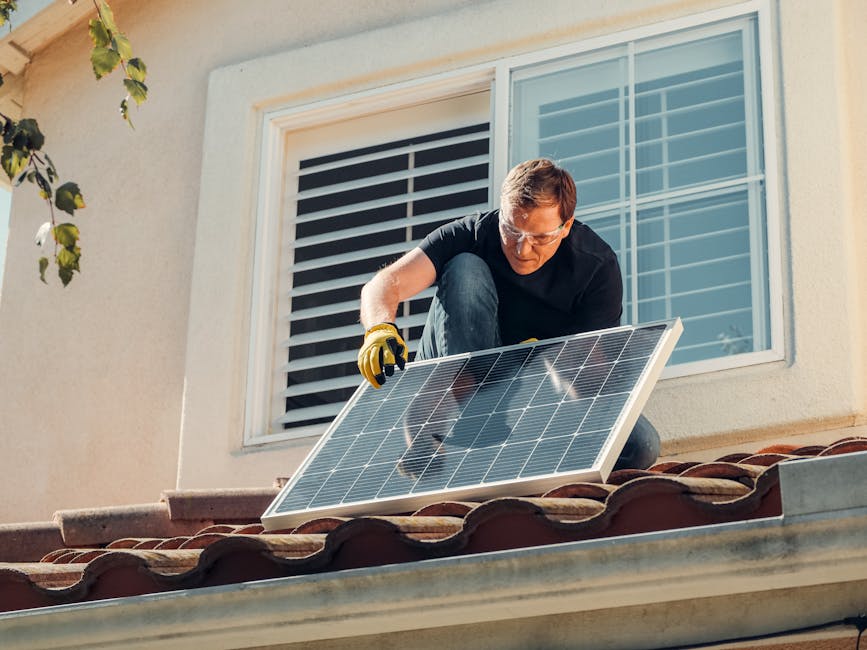
Next, we’ll explore the customization options available for these innovative homes, allowing you to tailor your living space to your unique preferences and needs.
Energy Efficient Modular Homes: Customization Options
Customizing your energy efficient modular home allows you to create a space that truly reflects your style and needs. With modular homes, you can personalize everything from floor plans to finishes. Let’s explore the options you have.
Floor Plans
Modular homes offer flexible floor plans that can be custom to your lifestyle. Whether you want an open-concept layout for entertaining or additional bedrooms for a growing family, modular homes can accommodate your vision.
Open-Concept Designs: Perfect for those who love a spacious feel. These layouts allow for seamless flow between the kitchen, living, and dining areas.
Additional Rooms: Need a home office or nursery? You can easily add rooms to suit your family’s needs.
Custom Layouts: Work with architects to design a floor plan that maximizes space and energy efficiency.
Interior Finishes
The interior finishes of your modular home can be customized to match your aesthetic preferences. Choose from a variety of materials and styles to create the perfect ambiance.
Flooring Options: Select from eco-friendly materials like bamboo or recycled wood. These options not only look great but also support sustainable living.
Cabinetry and Countertops: Opt for finishes that improve your kitchen and bathroom spaces. From sleek modern designs to rustic wood, the choices are endless.
Lighting Fixtures: Energy-efficient lighting, such as LED bulbs, can be integrated throughout your home. Not only do they save energy, but they also offer a range of styles to fit your taste.
Exterior Finishes
The exterior of your modular home is just as important as the interior. Customize it to make a statement in your neighborhood.
Siding Materials: Choose from a variety of finishes like brick, stone, or wood siding. These materials can improve your home’s curb appeal while providing durability.
Color and Texture: Select colors and textures that complement the natural surroundings of your home, ensuring it blends seamlessly with the environment.
Sustainable Options: Consider using sustainable materials for your exterior finishes. This not only reduces your environmental impact but can also improve your home’s energy efficiency.
By taking advantage of these customization options, you can create a modular home that is both energy efficient and uniquely yours. This flexibility ensures that your home is a perfect fit for your lifestyle and personal taste.
Next, we’ll dig into the installation process and timeframe for these innovative homes, highlighting the efficiency and speed of modular construction.
Installation Process and Timeframe
Building an energy efficient modular home is a smooth and efficient journey. Thanks to factory construction and quick assembly, you can move into your new home much faster than with traditional building methods. Let’s break down the process.
Factory Construction
The magic of modular homes begins in a factory. Here, modules are built with precision, ensuring high quality and energy efficiency. This controlled environment allows for:
Consistent Quality: Each module is crafted with care, using exact specifications. This reduces the chance of errors and ensures a sturdy structure.
Weather Independence: Since construction takes place indoors, weather delays are not an issue. This keeps the timeline on track.
Less Waste: Factory settings optimize material use, significantly reducing waste compared to on-site construction.
Quick Assembly
Once your modules are ready, they are transported to your site. The assembly process is quick and efficient, often completed in just a few weeks.
Efficient Setup: A professional team assembles the modules on a pre-prepared foundation. This streamlined process minimizes disruption and speeds up completion.
Seamless Integration: Each module fits together perfectly, ensuring a cohesive and energy-efficient home.
Rapid Completion: Compared to traditional builds, modular homes are ready in a fraction of the time, allowing you to enjoy your new space sooner.
Site Preparation
Before the modules arrive, site preparation is crucial. This involves readying the land and laying the foundation.
Site Assessment: Professionals will evaluate your site to ensure it’s suitable for a modular home. This includes checking soil conditions and access for transportation.
Foundation Work: A solid foundation is laid while your home is being constructed in the factory. This parallel process saves time and ensures that everything is ready for assembly.
Utility Connections: Essential services like water, electricity, and sewage are set up to connect seamlessly with your modular home.
With factory construction, quick assembly, and efficient site preparation, the installation of an energy efficient modular home is not only faster but also more reliable. This innovative approach ensures you can enjoy the benefits of your new home without the long wait typical of conventional builds.
Next, we’ll explore frequently asked questions about energy efficient modular homes, addressing common concerns and providing clarity on this modern housing solution.
Frequently Asked Questions about Energy Efficient Modular Homes
What is the most energy efficient manufactured home?
When it comes to energy efficiency, two certifications stand out: ENERGY STAR and NEEM+. Homes with these certifications are designed to be significantly more energy efficient than standard models.
ENERGY STAR certified homes must meet stringent guidelines set by the U.S. Environmental Protection Agency. These homes are at least 10% more efficient than those built to code and often achieve a 20% improvement in energy efficiency. They include features like effective insulation, high-performance windows, and efficient heating and cooling systems.
NEEM+ (Northwest Energy Efficient Manufactured Housing Program) homes perform 30% better than standard manufactured homes. This means lower utility bills and a reduced environmental footprint.
By choosing a home with these certifications, you ensure your modular home is not only energy-efficient but also comfortable and cost-effective.
Are prefab homes energy efficient?
Yes, prefab homes, including modular homes, are inherently energy efficient. Their construction process contributes to this efficiency:
Precision Building: Constructed in a controlled factory environment, these homes benefit from precise building techniques that minimize waste and ensure tight construction. This reduces air leaks and improves insulation.
Quality Materials: Prefab homes often use eco-friendly materials and advanced insulation systems, which improve energy efficiency and indoor air quality.
Smart Technology: Many modern modular homes incorporate smart technologies to optimize energy use, such as programmable thermostats and energy-efficient lighting.
These features make modular homes a smart choice for those seeking both sustainability and savings.
How can I save money on my modular home?
Budgeting for a modular home can be straightforward, and there are several ways to save money:
DIY Work: While modular homes are mostly completed in the factory, there may be some finishing work you can do yourself, such as landscaping or interior painting. This can reduce labor costs.
Energy Savings: With energy-efficient features, modular homes often have lower utility bills. Investing in energy-efficient appliances and renewable energy systems, like solar panels, can increase these savings.
Financing Options: Modular homes are eligible for various financing options similar to traditional homes. Look for loans that offer favorable terms for energy-efficient homes.
By considering these strategies, you can enjoy the benefits of a modular home while keeping costs in check.
Next, we’ll dig deeper into the customization options available for energy efficient modular homes, allowing you to tailor your home to perfectly suit your lifestyle.
Conclusion
At Hutter Architects, we are passionate about crafting future-proof homes that are not only beautiful but also sustainable and energy-efficient. Our commitment to sustainable design ensures that every project we undertake respects the environment while providing modern comforts.
Why Choose Hutter Architects?
We specialize in designing homes that stand the test of time. Our approach focuses on using durable materials and timeless aesthetics, minimizing the need for frequent renovations. This means your home evolves with you, offering flexibility and adaptability for changing needs.
Our designs aim for net-zero energy, incorporating advanced insulation techniques, high-performance windows, and smart home technologies. These strategies significantly reduce energy consumption, making your home not just a place to live, but a sustainable sanctuary.
A Commitment to Environmental Sustainability
Environmental sustainability is at the heart of everything we do. We use sustainable materials like recycled steel and responsibly sourced wood. Features like rooftop gardens and greenhouses are often integrated into our designs, enhancing biodiversity and reducing environmental impact.
By choosing Hutter Architects, you are investing in a home that balances eco-friendliness with modern comforts. Our dedication to sustainable design ensures that your home will not only save you money on energy costs but also contribute to a healthier planet.
To learn more about how we can help you design a sustainable, energy-efficient home, visit our Net Zero Home Design page.
Join us in embracing a greener future, one innovative design at a time.


