
Energy Efficient Insulation: Top 7 Powerful Benefits
Energy efficient insulation is more than just a buzzword—it’s a smart choice for anyone looking to lower utility bills and create a comfortable, sustainable home. By enhancing barriers against heat loss and gain, energy efficient insulation plays a vital role in keeping your home cozy while minimizing energy use. Here’s a quick glimpse of why it matters:
- Cost Savings: Can cut utility bills by up to 15%.
- Comfort: Keeps homes warm in winter and cool in summer.
- Environmental Impact: Reduces carbon footprint and conserves resources.
- Health Benefits: Improves indoor air quality and reduces pollutants.
At Hutter Architects in Chicago, I’m Pam Hutter, and I bring a deep passion for sustainable design to every project. With my experience in energy efficient insulation, I ensure that our solutions maximize your home’s efficiency and beauty. Let’s start on this journey together to transform your living space sustainably.
Common energy efficient insulation vocab:
– energy efficient home upgrades
– home energy audits
– energy efficient windows
Understanding Energy Efficient Insulation
To grasp the concept of energy efficient insulation, we need to dive into the science of heat flow. Heat naturally travels from warmer areas to cooler ones, and it does this through three main methods: conduction, convection, and radiation.
The Three Modes of Heat Flow
Conduction is the movement of heat through materials. Imagine a metal spoon in a hot cup of coffee. The heat travels up the spoon, warming the handle. In your home, this means heat can pass through walls, floors, and ceilings.
Convection occurs when heat moves through liquids and gases. It explains why warm air rises and cool air sinks. This can create drafts and uneven temperatures inside your home.
Radiation is heat transfer through electromagnetic waves. It warms anything solid in its path, like how the sun heats the Earth.
Most insulation materials focus on slowing down conductive and convective heat flow. Radiant barriers, on the other hand, reflect heat away, reducing radiant heat gain.
R-Values: The Measure of Insulation Effectiveness
The effectiveness of insulation is measured by its R-value—a number that indicates how well the material resists heat flow. The higher the R-value, the better the insulation.
Think of R-values like a winter coat: the thicker the coat, the better it keeps you warm. Similarly, adding more insulation increases the R-value, enhancing your home’s resistance to heat flow.
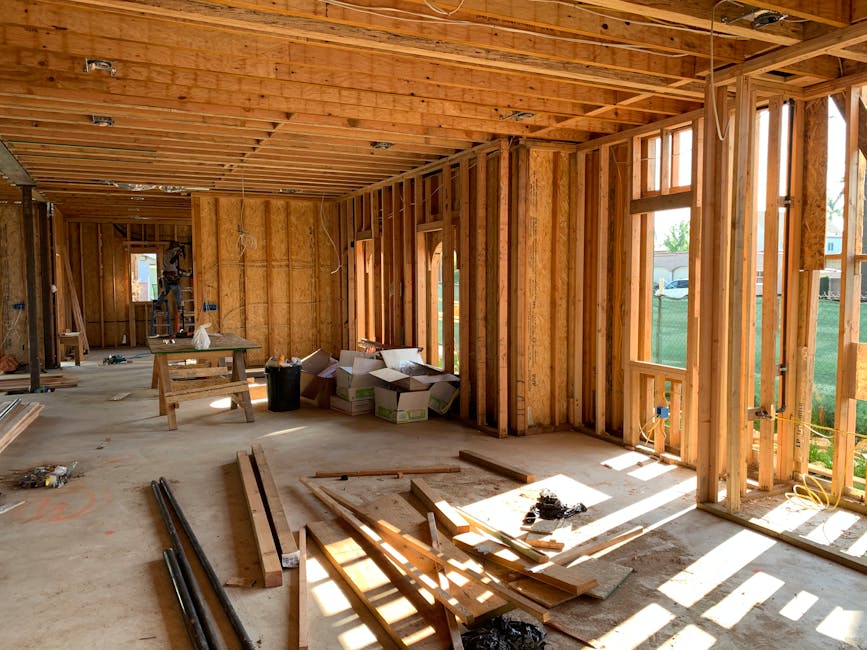
However, it’s crucial to install insulation correctly. Compressed insulation won’t perform to its full R-value, and gaps can lead to thermal bridging, where heat sneaks through studs and joists.
Real-World Example
In Chicago, where winters can be harsh, homes with high R-value insulation can save significantly on heating costs. A well-insulated home not only stays warmer but also requires less energy to maintain a comfortable temperature, leading to savings on utility bills.
Why It Matters
Understanding these principles helps you make informed decisions about the best insulation for your home. Choose materials with the right R-value for your climate and ensure proper installation to maximize energy savings.
Next, we’ll explore the various types of insulation materials available and their specific benefits.
Types of Energy Efficient Insulation
When it comes to energy efficient insulation, there are several types to consider. Each has its own strengths and is suited for different parts of your home. Let’s break down the most common types:
Fiberglass
Fiberglass insulation is popular for its affordability and effectiveness. Made from tiny glass fibers, it’s often used in attics and walls. It’s available in batts or rolls, making it easy to install for DIY enthusiasts.
- Pros: Cost-effective, non-flammable, resistant to moisture.
- Cons: Can irritate skin and lungs; requires protective gear during installation.
Spray Foam
Spray foam insulation expands on application, filling gaps and creating an air-tight seal. It’s excellent for reducing air leaks and improving energy efficiency.
- Pros: High R-value, excellent air barrier, moisture resistant.
- Cons: Higher cost, professional installation recommended.
Cellulose
Cellulose insulation is made from recycled paper products, treated for fire and pest resistance. It’s an eco-friendly choice with a decent R-value.
- Pros: Eco-friendly, good for soundproofing, cost-effective.
- Cons: Can settle over time, reducing effectiveness.
Rigid Foam Boards
Rigid foam boards offer high insulation values and are often used in basements and exterior walls. They come in various materials like polystyrene and polyurethane.
- Pros: High R-value, moisture resistant, durable.
- Cons: More expensive, requires precise installation to avoid gaps.
Radiant Barriers
Radiant barriers are unique because they reflect heat away rather than resisting heat flow. They are particularly useful in hot climates to reduce cooling costs.
- Pros: Effective in hot climates, lightweight, easy to install.
- Cons: Less effective in cold climates, needs to be paired with other insulation types for best results.
Choosing the Right Type
The choice of insulation depends on factors like your climate, budget, and specific needs of your home. For example, in a place like Chicago, with its cold winters, a combination of high R-value materials like spray foam and fiberglass might be ideal.
Proper installation is key. Even the best insulation won’t perform well if there are gaps or it’s compressed.

Next, we’ll dive into the benefits of using energy efficient insulation and how it can transform your home.
Benefits of Energy Efficient Insulation
When it comes to making your home more comfortable and saving money, energy efficient insulation is a game-changer. Let’s explore how this can benefit you and your home.
Energy Savings
Did you know that a well-insulated home can cut heating and cooling costs by up to 50%? That’s because energy efficient insulation reduces the amount of energy needed to keep your home at a comfortable temperature. According to the EPA, homeowners can save an average of 15% on heating and cooling costs by sealing air leaks and adding insulation in key areas like attics and crawl spaces.
Comfort
Insulation doesn’t just save you money; it makes your home more comfortable. In the winter, it keeps the warm air inside. In the summer, it keeps the hot air out. This helps maintain a consistent temperature throughout your home, reducing those annoying drafts and hot or cold spots.
Noise Reduction
Living in a busy city like Chicago can be noisy. Energy efficient insulation helps reduce noise from outside, creating a quieter and more peaceful indoor environment. Spray foam and cellulose are particularly good at soundproofing, making them great choices if you live in a noisy area.
Air Quality
A properly insulated and sealed home also improves air quality. By reducing the number of air leaks, insulation helps keep out dust, pollen, and pests. This means cleaner and healthier air for you and your family. Plus, better insulation can help control humidity levels, reducing the chance of mold and mildew growth.
Cost-Effectiveness
While the initial cost of insulation might seem high, it’s a smart investment. The energy savings alone can pay back the cost of installation over time. Plus, with available tax credits, you can save even more. For instance, you can claim a 30% tax credit on insulation products, up to a maximum of $1,200 annually. This makes upgrading your insulation not just a comfort and energy decision, but a financial one as well.

In summary, energy efficient insulation offers significant benefits, from saving money and increasing comfort to improving air quality and reducing noise. It’s a win-win for your wallet and your well-being.
Next, we’ll explore how to choose the right insulation for your home based on factors like climate and R-value requirements.
How to Choose the Right Insulation for Your Home
Choosing the right energy efficient insulation can seem overwhelming, but it doesn’t have to be. Let’s break it down into simple steps.
Climate Zones and R-Value Requirements
First, understand your climate zone. This is crucial because the amount of insulation you need depends on where you live. For example, Chicago is in Climate Zone 5, which means you’ll need insulation with higher R-values than someone living in a warmer area.
R-value measures how well insulation resists heat flow. The higher the R-value, the better the insulation. In Chicago, for uninsulated attics, you’ll want an R-value of R49 to R60. For walls, consider options like R20 plus R5 continuous insulation (CI) or R13 plus R10 CI.
Installation Methods
Once you know the R-value you need, think about how the insulation will be installed. Some types, like spray foam, require professional installation. Others, like fiberglass batts, can be a DIY project if you’re comfortable with it. Proper installation is key to getting the full benefits of your insulation.
- Spray Foam: Great for sealing gaps and creating an air barrier. Best for attics and crawl spaces.
- Fiberglass Batts: Cost-effective and easy to install. Ideal for walls and attics.
- Rigid Foam Boards: Durable and long-lasting. Perfect for basement walls and exterior sheathing.
Air Sealing
Don’t forget about air sealing. Insulation works best when your home is properly sealed. Air leaks waste energy and can make your home uncomfortable. Common areas to check include windows, doors, and attic hatches. Use caulking and weatherstripping to seal these gaps.
A simple blower door test can help identify hidden leaks. This test uses a fan to pressurize your home and find areas where air is escaping. Sealing these leaks can significantly improve your home’s energy efficiency.
Putting It All Together
To sum it up, choosing the right insulation involves knowing your climate zone, selecting the right R-value, considering installation methods, and ensuring proper air sealing. By focusing on these areas, you can make your home more energy-efficient and comfortable.
Next, we’ll look at how energy efficient insulation can qualify for tax credits, helping you save even more.
Energy Efficient Insulation and Tax Credits
Upgrading your home’s insulation can do more than just make your living space more comfortable and energy-efficient. It can also save you money through tax credits. Let’s explore how you can benefit from these financial incentives.
Tax Credits for Energy Efficient Insulation
The federal government offers a Home Energy Efficiency Tax Credit to encourage homeowners to improve their home’s energy efficiency. This credit allows you to claim 30% of the cost of qualifying insulation products. However, there is a $1,200 annual limit for most types of energy-efficient home improvements.
To claim this credit, you’ll need to use IRS Form 5695. This form is crucial for calculating your credit and reporting your qualifying expenses. Make sure to file it with your annual tax return.
Eligible Products
Not all insulation products qualify for the tax credit. Eligible items include typical bulk insulation products like:
- Batts
- Rolls
- Blow-in fibers
- Rigid boards
- Expanding spray foam
- Pour-in-place
Products designed to air seal your home, such as weather stripping, spray foam in a can, caulk, and house wrap, also qualify. However, they must come with a Manufacturer’s Certification Statement to be eligible.
Annual Limits and Strategy
The tax credit has an annual limit of $1,200 for home envelope improvements, which includes insulation. If you’re considering larger projects, like installing a heat pump, you can claim up to $2,000 for those specific improvements per year.
A strategic approach to maximize your tax savings is to spread out your improvements over several years. For instance, you could upgrade your attic insulation one year and replace windows the next. This strategy helps you stay within annual limits while optimizing your home’s energy efficiency.
Claiming Your Credit
To claim your credit, ensure the improvements are installed within the tax year. Keep all receipts and documentation, including any necessary certification numbers. This paperwork will help substantiate your claim when filing your taxes.
By taking advantage of these tax credits, you can reduce the upfront costs of making your home more energy-efficient. Next, we’ll address some frequently asked questions about energy-efficient insulation to help you make informed decisions.
Frequently Asked Questions about Energy Efficient Insulation
What is the most energy efficient insulation?
The most energy-efficient insulation is spray foam. It expands to fill gaps, creating a strong air barrier. This makes it ideal for hard-to-reach places like attics and crawl spaces.
Spray foam’s high R-value, which measures thermal resistance, means it effectively reduces heat flow. This can lead to significant energy savings on heating and cooling bills.
Case Study: A homeowner in Chicago used spray foam in their attic. They noticed a 20% reduction in heating costs during winter months.
What insulation qualifies for energy tax credit?
To qualify for an energy tax credit, insulation must be considered bulk insulation. This includes products like batts, rolls, blow-in fibers, and rigid boards.
Air sealing products, like spray foam in a can and weather stripping, also qualify if they come with a Manufacturer’s Certification Statement. This statement confirms that the product meets specific energy efficiency criteria.
Example: A Chicago resident installed blow-in fibers and used spray foam for air sealing. They received a tax credit by providing the necessary certification.
How much better is R38 vs R30 insulation?
The difference between R38 and R30 insulation lies in their thermal resistance. R38 offers greater resistance to heat flow than R30, making it more effective in keeping your home comfortable.
Choosing R38 over R30 can lead to better energy savings. However, the cost difference should be considered. While R38 is more effective, it may not always justify the additional expense, depending on your climate and specific needs.
Pro Tip: In colder climates like Chicago, opting for R38 is often a good investment for long-term energy efficiency.
By understanding these aspects of energy-efficient insulation, you can make informed decisions for your home. Next, we’ll explore how to choose the right insulation based on your specific needs and climate.
Conclusion
At Hutter Architects, our mission is to design homes that are both beautiful and sustainable. We believe that sustainable design is not just a trend but a necessity for our future. Our homes are crafted with the environment in mind, ensuring that they are efficient, comfortable, and harmonious with their surroundings.
Net-Zero Homes
One of our key focuses is creating net-zero homes. These homes produce as much energy as they consume over a year, resulting in a carbon footprint of zero. We achieve this through advanced insulation techniques, passive solar heating, and renewable energy sources such as solar panels and geothermal systems. The result is a home that reduces utility costs and provides a high level of comfort and sustainability.
Environmental Sustainability
We are committed to environmental sustainability in every aspect of our work. From using low VOC materials to installing energy-efficient HVAC systems, we ensure that each home we design minimizes its environmental impact. Our approach not only benefits the planet but also improves the quality of life for our clients.
Your Partner in Sustainable Living
Choosing Hutter Architects means partnering with experts who are dedicated to creating homes that stand the test of time. We guide you through every step of the process, from initial design to final construction, ensuring that your home meets the highest standards of energy efficiency and sustainability.
Ready to take the next step towards your energy-efficient dream home? Explore our net-zero home design services and find how we can help you create a space that is both beautiful and kind to the planet.
Let’s build a better tomorrow, together.


