
Energy Efficient Home Remodeling: 10 Powerful Benefits 2025
Transform Your Home’s Energy Performance
Energy efficient home remodeling means upgrading your existing home to use less energy, lower utility bills, and improve comfort while reducing your environmental impact.
Here’s what you need to know at a glance:
| Aspect | Key Information |
|---|---|
| Top Benefits | – Reduced utility bills (10-50% savings) – Improved home comfort – Increased property value – Lower carbon footprint |
| First Steps | 1. Get a professional home energy audit 2. Seal air leaks and add insulation 3. Upgrade windows and doors 4. Improve heating/cooling systems |
| Best ROI Projects | – Air sealing and insulation (10% energy savings) – ENERGY STAR appliances (13% reduction in energy use) – Heat pump installation ($200-550 annual savings) |
| Available Incentives | Federal tax credits up to 30% of costs (max $3,200/year through 2032) |
In the U.S., about 58 million houses built before the 1970s energy crisis are prime candidates for energy-efficiency improvements. These older homes can achieve 50-90% energy reductions through comprehensive retrofits, dramatically cutting carbon emissions while creating more comfortable living spaces.
The most sustainable home isn’t always a new build—it’s often the one you already have, thoughtfully upgraded for efficiency. As an architect specializing in energy efficient home remodeling, I’ve helped many Chicago homeowners transform drafty, inefficient houses into high-performing, comfortable homes that are kind to both their wallets and the planet.
I’m Pam Hutter, Principal of Hutter Architects in Chicago, where I’ve dedicated my career to creating sustainable, energy-efficient homes through thoughtful energy efficient home remodeling projects that balance innovation with practicality.
Glossary for energy efficient home remodeling:
– energy saving home design
– green architecture concept
– net zero residential design
Why an Energy Makeover Pays Off

When homeowners visit our Chicago office to discuss energy efficient home remodeling, they often focus on utility bills. But these upgrades can be transformative in ways that go far beyond monthly statements.
Think of an energy makeover as an investment that pays dividends in multiple ways. The financial returns are substantial—our Chicago clients typically see utility bills shrink by 30-50%, with annual savings often exceeding $1,000. As energy costs rise, these savings compound year after year.
But the daily comfort dividend? That’s priceless. Imagine winter mornings without that chilly dash across the bedroom floor, or summer afternoons when every room stays perfectly cool without cranking the AC. Our clients often tell us, “We knew we’d save money, but we had no idea how much more comfortable our home would feel.”
Chicago’s weather extremes test even the sturdiest homes, which is why the resilience factor of energy efficient home remodeling shouldn’t be underestimated. When polar vortexes or summer heat waves strain the grid, efficient homes maintain livable temperatures far longer during outages. That peace of mind is worth every penny.
Smart homeowners also recognize the real estate advantage. Energy-efficient homes now command premium prices—typically 2-6% higher than comparable properties without these features. As energy consciousness grows, buyers are increasingly willing to pay more for homes with lower operating costs and superior comfort.
Perhaps most meaningful is the environmental impact. By reducing your home’s energy consumption, you’re directly lowering your carbon footprint. Residential buildings generate roughly 20% of U.S. energy consumption and 21% of CO2 emissions. Your remodeled home becomes part of the climate solution rather than the problem.
The move toward home electrification amplifies these benefits even further. Replacing fossil fuel systems with efficient electric alternatives—like heat pumps for heating and cooling—prepares your home for a future powered increasingly by renewable energy.
Hidden Benefits Beyond Bills
The surprises that delight our clients after completing energy efficient home remodeling projects often have little to do with their utility statements.
Healthier indoor air quality tops this list of unexpected benefits. Modern ventilation systems, particularly heat or energy recovery ventilators (HRVs/ERVs), work continuously to bring fresh filtered air in while removing pollutants, allergens, and excess moisture. Many clients report fewer respiratory issues and better sleep after these upgrades.
Significant noise reduction comes as another welcome surprise. The same insulation, high-performance windows, and air sealing that keep temperature-controlled air inside also create an effective sound barrier. Chicago homeowners near the L trains or busy streets are particularly grateful for this side benefit.
Improved durability means your home simply lasts longer with fewer problems. By controlling moisture and temperature fluctuations, energy efficient home remodeling prevents many common structural issues. Proper attic insulation and air sealing, for instance, prevent ice dams that can damage roofs and lead to costly repairs.
Better humidity control transforms the living experience year-round. No more static electricity shocks in winter or that clammy feeling during humid Chicago summers. Energy-efficient homes maintain optimal moisture levels naturally, creating a consistently comfortable environment.
A client recently shared with me after completing their whole-house retrofit: “We expected the lower bills, but what we didn’t anticipate was how the house now feels like a sanctuary. It’s quiet, comfortable, and just feels healthier.” That change from house to sanctuary is what makes energy efficient home remodeling so deeply satisfying for our team at Hutter Architects.
Energy Audit: First Step of Energy Efficient Home Remodeling

Before starting any renovations, a comprehensive home energy audit is the essential first step. Think of it as giving your house a complete physical—you wouldn’t start a fitness program without knowing your baseline health, right? The same principle applies to your home.
A professional energy audit reveals exactly where your home is losing energy and helps prioritize improvements that will give you the biggest bang for your buck. When we conduct audits for Chicago homeowners, they’re often surprised by what we find hiding in their walls and attics!
During a typical professional audit, your home will undergo several key assessments. The blower door test is particularly revealing—this powerful fan depressurizes your home to measure air leakage and pinpoint specific leak locations. Many are shocked to find their home essentially has a basketball-sized hole in its exterior envelope when all the little leaks are added up.
Thermal imaging is another eye-opening process. These infrared cameras show hidden thermal weaknesses that are invisible to the naked eye. In Chicago’s older homes, we often find “thermal bridges” where heat escapes through structural elements, or entire wall sections where insulation has settled or was never installed properly.
Your past utility bills tell an important story too. By analyzing your energy consumption history, we establish a baseline to calculate potential savings from recommended improvements. This concrete data helps you make informed decisions about which upgrades make financial sense.
Many of our clients also appreciate receiving a Home Energy Score—a standardized 1-10 rating system developed by the U.S. Department of Energy. This simple score helps you understand how your home compares to others and identifies which improvements would have the greatest impact.
While DIY energy assessments might seem appealing (and we encourage homeowner awareness!), they simply can’t match what professional equipment can reveal. Yes, you might spend $300-600 for a professional audit, but the detailed information prevents potentially wasting thousands on improvements that won’t deliver meaningful results.
More info about How to Improve Home Energy Efficiency
According to scientific research on sealing and insulation, simply addressing air leaks and improving insulation can reduce energy bills by up to 10%. That’s why these fundamental improvements typically top the recommendation list in most audit reports.
Choosing a Qualified Auditor
Finding the right energy auditor makes all the difference. Look for professionals with credentials from respected industry organizations. RESNET-certified auditors (Residential Energy Services Network) can provide a Home Energy Rating System (HERS) score, which is the industry gold standard for measuring home efficiency. Alternatively, BPI-certified professionals (Building Performance Institute) excel at taking a whole-house approach to energy performance.
Chicago homeowners have some excellent local resources too! Several utility companies offer subsidized—sometimes even free—energy audits. Both ComEd and Peoples Gas run energy efficiency programs that can connect you with qualified auditors at reduced rates. These programs often have additional incentives for implementing the recommended improvements.
When interviewing potential auditors, ask about their certification, experience with homes similar to yours (especially important for Chicago’s distinctive vintage housing stock), and what specific tests they’ll perform. The most valuable audits include blower door testing, thermal imaging, and combustion safety testing if you have gas appliances.
Reading Your Audit Report
A well-prepared audit report is your roadmap to an energy-efficient home. When I review these reports with clients, I make sure they understand several key components.
First, look for the energy load breakdown. This reveals exactly how your home uses energy—typically with heating accounting for about 45%, water heating 18%, appliances 13%, cooling 9%, and lighting 5%. Understanding this distribution helps target your biggest energy drains.
The priority matrix is perhaps the most useful section. It ranks recommended improvements by impact, cost, and return on investment, creating a clear step-by-step plan. This prevents the common mistake of tackling projects in the wrong order.
Pay close attention to the payback analysis for each recommendation. This includes estimated costs, projected energy savings, and the all-important payback period—how long before the improvement pays for itself through reduced bills.
Many comprehensive audits also include before/after energy modeling that shows potential energy use after implementing recommendations. These projections can be powerfully motivating when you see just how much your energy efficient home remodeling efforts could reduce your carbon footprint.
I encourage all my clients to keep their audit report handy as they plan their energy improvements. The most effective approach is addressing the highest-impact, lowest-cost improvements first (usually air sealing and insulation), then progressing to more significant investments as your budget allows. This strategic approach ensures you’re never wasting money on improvements that won’t deliver meaningful results.
High-Impact Upgrades for Every Budget
When my clients ask about energy efficient home remodeling, I explain that your home works as a single system. Address improvements in the right order to get the biggest payoff.
Insulation & Air Sealing Essentials
Always seal leaks first, then insulate. Typical gaps around attic hatches, recessed lights, and rim joists can be sealed for $350–600 and cut heating-and-cooling costs by about 15%.
Recommended Chicago R-values:
- Attic: R-49–60
- Walls: R-13–21
- Basement/crawl: R-10–15
Older homes that lack wall space can add exterior or interior insulation during larger renovations. More info about Energy Efficient Insulation
Windows & Doors
Full replacement with triple-glazed, low-e windows (U-factor ≤ 0.25) runs $800–1,200 each, but modern low-e storm windows ($120–160) or strategic weather-stripping often provide most of the comfort gains for far less. Restoring historic wood windows with storms preserves character while boosting performance. More info about Energy Efficient Windows
Heating, Cooling & Water Systems
HVAC and water heating account for more than 60 % of a typical energy bill. Today’s air-source heat pumps work efficiently in Chicago, delivering 250–300% efficiency and saving $500–1,000 a year. Ductless mini-splits offer flexible zoned comfort, and heat pump water heaters typically save $200–550 annually. Always pair new equipment with a smart thermostat. More info about Energy Efficient Heating and Cooling
Smart Tech, Lighting & Appliances
LED bulbs use up to 90% less energy than incandescents and usually pay back in months. Select ENERGY STAR appliances sized to your needs, and add smart plugs or energy monitors to kill phantom loads. More info about Best Home Improvements for Energy Efficiency
Renewable Energy Add-Ons
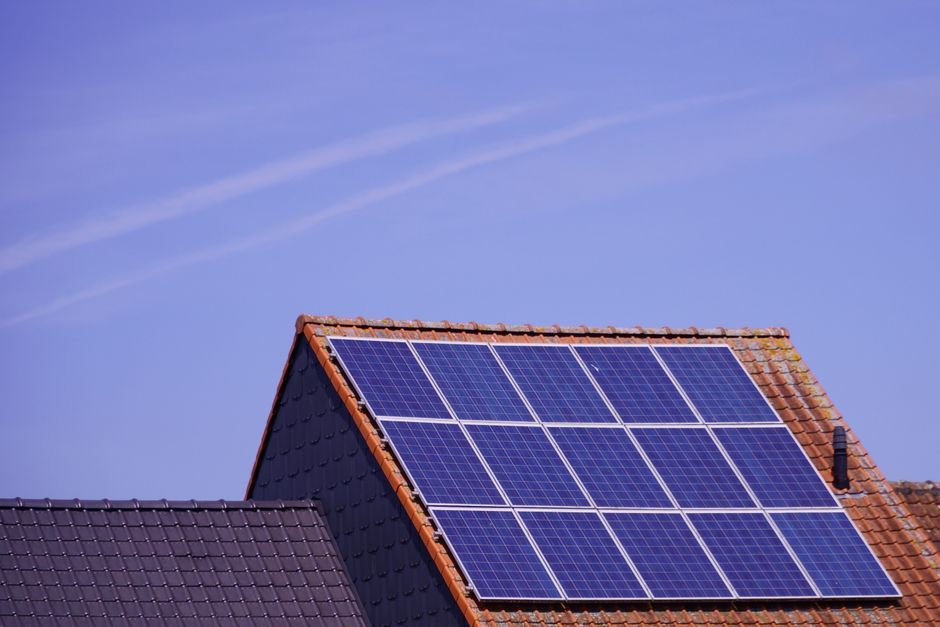
After trimming your energy load, renewables shine. A typical 6 kW solar PV system costs $10,000–14,000 after incentives, offsets up to 100 % of annual use, and pays back in 7–10 years. Community solar is ideal for shaded or unsuitable roofs. Scientific research on home solar energy
Planning, Incentives & Avoiding Pitfalls

Federal, state, and utility programs now cover a large share of upgrade costs, so plan your project around them rather than after the fact.
Leveraging Federal & State Programs
The 2022 Inflation Reduction Act offers a 30 % tax credit (up to $1,200 per year—or $2,000 for heat pumps) for envelope and HVAC upgrades, plus an uncapped 30 % credit for solar, geothermal, and batteries. Chicago homeowners can stack these with ComEd and Peoples Gas rebates and Illinois Solar Renewable Energy Credits (SRECs). Many clients cut total project costs by 30-50%.
| Upgrade | Typical Cost | Annual Savings | Payback | With Incentives |
|---|---|---|---|---|
| Air sealing | $350-600 | $100-200 | 2-6 yrs | 1-4 yrs |
| Attic insulation | $1,800-2,500 | $200-400 | 5-12 yrs | 3-8 yrs |
| Heat-pump water heater | $1,700-2,500 | $200-550 | 3-12 yrs | 2-8 yrs |
| Triple-glazed windows | $8k-15k | $300-600 | 15-30 yrs | 10-20 yrs |
| Air-source heat pump | $8k-12k | $500-1,000 | 8-24 yrs | 5-15 yrs |
| Solar PV (6 kW) | $15k-20k | $800-1,200 | 12-25 yrs | 7-12 yrs |
More info about Power Upgrades
Sequencing Your Projects
- Air seal & insulate
- Right-size mechanical systems
- Upgrade lighting, appliances & controls
- Add renewables
Phasing work over several years lets you capture credits annually while spreading costs.
Typical Mistakes to Dodge
- Replacing windows before fixing the envelope
- Oversizing HVAC after tightening the house
- Skipping balanced ventilation in tighter homes
- Ignoring moisture management or existing structural issues
Partnering with professionals who understand building science helps you avoid these pitfalls and maximize returns.
Conclusion
Changing your existing house into an energy efficient home isn’t just a renovation—it’s an investment in your future comfort, finances, and environmental legacy.
Think of your energy makeover as future-proofing your home. The improvements you make today will continue delivering benefits for decades, becoming even more valuable as energy costs rise and climate concerns intensify. Many of our Chicago clients tell us their only regret is not starting sooner!
What I love most about guiding homeowners through this process is witnessing the moment when they realize their home isn’t just more efficient—it’s fundamentally more enjoyable to live in. Rooms that were once too hot in summer and chilly in winter become consistently comfortable. The persistent draft that bothered them for years simply disappears. The house feels solid, quiet, and secure in a way it never did before.
Sustainability isn’t always about building new. Often, the greenest home is the one that already exists, thoughtfully upgraded to meet modern efficiency standards. Your vintage Chicago bungalow or classic greystone can perform as well as (or better than!) new construction with the right improvements.
The path forward is clear: start with a comprehensive energy audit to understand your home’s unique needs, prioritize improvements based on impact and budget, and implement them in the proper sequence—envelope first, then systems, with renewables as the final piece. Even modest initial steps like air sealing can yield immediate comfort improvements and noticeable savings.
As you plan your energy efficient home remodeling journey, don’t forget to take advantage of the unprecedented federal and state incentives currently available. The Inflation Reduction Act makes energy improvements more affordable than ever before, but you’ll need a strategic approach to maximize these benefits.
At Hutter Architects, we’ve helped countless Chicago homeowners steer this process, creating homes that are not just more efficient but healthier, more comfortable, and better prepared for whatever the future brings. Our expertise in net-zero, energy-efficient design ensures that every improvement contributes to a coherent whole-house strategy.
More info about Green Architecture Concept
Ready to start your home’s energy change? We’d love to help you create a home that’s as comfortable and efficient as it is beautiful. Your journey toward a more sustainable home starts with a single step—and we’re here to guide you every step of the way.


