
Climate Friendly Estates: 5 Exceptional Eco Homes 2025
Climate friendly estates represent a significant step toward a more sustainable future, marrying luxury design with eco-friendly living principles. These estates are thoughtfully built to minimize environmental impact while maximizing comfort and aesthetics. They feature innovative technologies like solar panels and sustainable materials to ensure energy efficiency and lower carbon footprints.
In a world increasingly conscious of its ecological impact, climate friendly estates are not just a trend but a necessity. More people are looking for residences that offer both groundbreaking design and a gentle impact on our planet. Buyers and builders now prioritize energy-efficient features, smart home technology, and the use of recycled or renewable materials—changing the way we think about modern living.
I’m Pam Hutter, a dedicated architect from Chicago, IL, with a keen eye for creating inspiring and sustainable spaces. With years of experience in crafting climate friendly estates, I ensure that form and function harmoniously blend to offer both luxury and sustainability. Let’s explore this fascinating intersection of eco-consciousness and cutting-edge design.
Key climate friendly estates vocabulary:
– eco friendly sustainable house plans
– modular homes prices
– prefabricated small homes
Understanding Climate Friendly Estates
Climate friendly estates are changing the real estate landscape by blending eco-friendly houses with cutting-edge sustainable design. These homes are more than just a place to live—they’re a commitment to reducing environmental impact while enhancing comfort and style.
What Makes a Home Eco-Friendly?
Eco-friendly houses are designed to minimize their carbon footprint and make efficient use of resources. They incorporate sustainable materials like bamboo, reclaimed wood, and recycled metal. These materials not only reduce waste but also require less energy to produce and transport.
Energy efficiency is at the heart of these homes. By utilizing high-performance windows and doors, superior insulation, and energy-efficient systems, these estates drastically cut down on energy use. For instance, a house with energy-efficient windows can significantly lower heating and cooling costs, making it kinder to both the planet and your wallet.
Sustainable Design Principles
Sustainable design goes beyond materials and energy efficiency. It includes thoughtful planning to make the most of natural resources. Passive solar design is a key feature—homes are oriented to maximize sunlight in winter and provide shade in summer, reducing reliance on artificial heating and cooling.
Green roofs and walls are another hallmark of sustainable design. They provide natural insulation, manage stormwater, and support biodiversity by offering habitats for local wildlife. A green roof can keep a home cooler in the summer and warmer in the winter, contributing to overall energy efficiency.
Smart Technology for Smarter Living
Integrating smart home technology is a game-changer for climate friendly estates. These systems allow homeowners to monitor and control their energy usage with precision. Smart thermostats, for example, can adjust temperatures based on daily routines, ensuring that energy isn’t wasted when it’s not needed.
The use of automated systems, such as blinds that open and close based on the sun’s position, further improves energy efficiency. These innovations make it easier for residents to live sustainably without sacrificing comfort or convenience.
Climate friendly estates are a testament to how far we’ve come in merging luxury with sustainability. They embody a future where homes are not only beautiful and comfortable but also responsible stewards of our planet’s resources. As more people accept this way of living, the demand for such innovative, eco-conscious homes will only continue to grow.
Top Features of Climate Friendly Estates
When it comes to climate friendly estates, several features stand out for their ability to reduce environmental impact while enhancing home efficiency and comfort.
Solar Panels
Solar panels are a cornerstone of eco-friendly homes. They capture sunlight and convert it into electricity, reducing reliance on fossil fuels. This not only cuts down on energy bills but also decreases the carbon footprint. In fact, solar panels have become so efficient that they can generate power even in less sunny regions.

Geothermal Systems
Geothermal systems use the earth’s constant underground temperature to heat and cool homes. These systems are incredibly efficient and can offer significant savings over time. While the initial cost is higher, the long-term benefits make them a popular choice for those committed to sustainability.
Rainwater Collection
Rainwater collection systems are a smart way to conserve water. By collecting and storing rainwater, these systems provide an alternative water source for irrigation, flushing toilets, and even laundry. This reduces the demand on municipal water supplies and helps homeowners save on water bills.
Energy-Efficient Systems
Energy-efficient systems are essential for reducing a home’s energy consumption. This includes everything from high-performance insulation and windows to advanced HVAC systems. By making homes more efficient, these systems help lower utility costs and reduce environmental impact.
Climate friendly estates are not just about living sustainably—they’re about living smarter. By incorporating these features, homeowners can enjoy a comfortable lifestyle while being kind to the planet. These innovations will continue to shape the future of eco-conscious living.
5 Exceptional Climate Friendly Estates Around the World
When it comes to climate friendly estates, these stunning examples from around the globe showcase how sustainable living can blend seamlessly with luxury and innovation.
Villa Mosca Bianca, Lake Maggiore, Italy
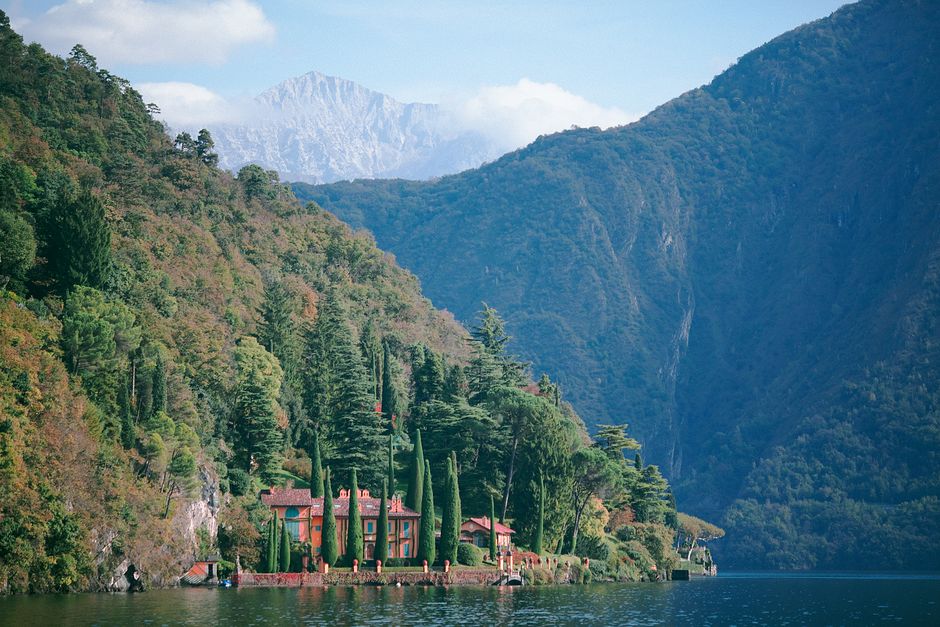
Nestled on the serene shores of Lake Maggiore, Villa Mosca Bianca is a testament to sustainable luxury. This estate harnesses the power of solar panels to provide clean energy, significantly reducing its carbon footprint. To complement this, heat pumps ensure efficient heating and cooling, while a passive air system maintains indoor air quality naturally. This villa is a perfect blend of technology and nature, offering a comfortable and eco-friendly lifestyle.
Contemporary Beach House, Sunset Beach, California

At Sunset Beach, this contemporary beach house is a marvel of modern eco-design. Equipped with smart-home automation, the estate optimizes energy use by controlling lighting, temperature, and security systems remotely. It also features electric vehicle charging stations, making it convenient for eco-conscious travelers. A striking green wall adds to its aesthetic appeal while improving air quality and insulation.
The Urban Mountain III, Zhubei City
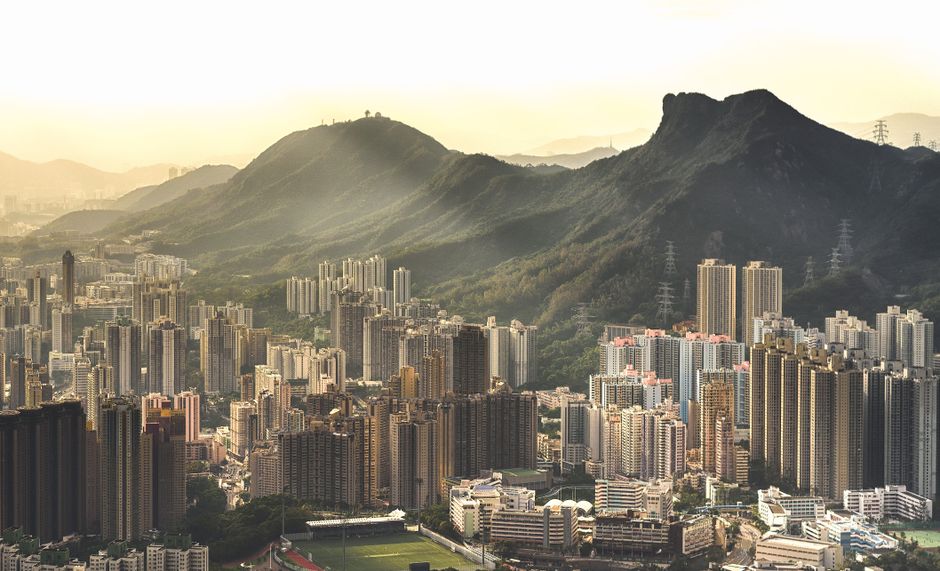
In the busy city of Zhubei, The Urban Mountain III stands out with its innovative approach to urban living. The building incorporates vertical planting to create green spaces in the cityscape, which helps reduce urban heat and improve air quality. A permaculture farm on-site provides fresh produce, while a wildlife corridor ensures the local fauna thrives alongside human residents. This estate is a guide of sustainable urban development.
Seven Stones Estate, Cawston, British Columbia, Canada
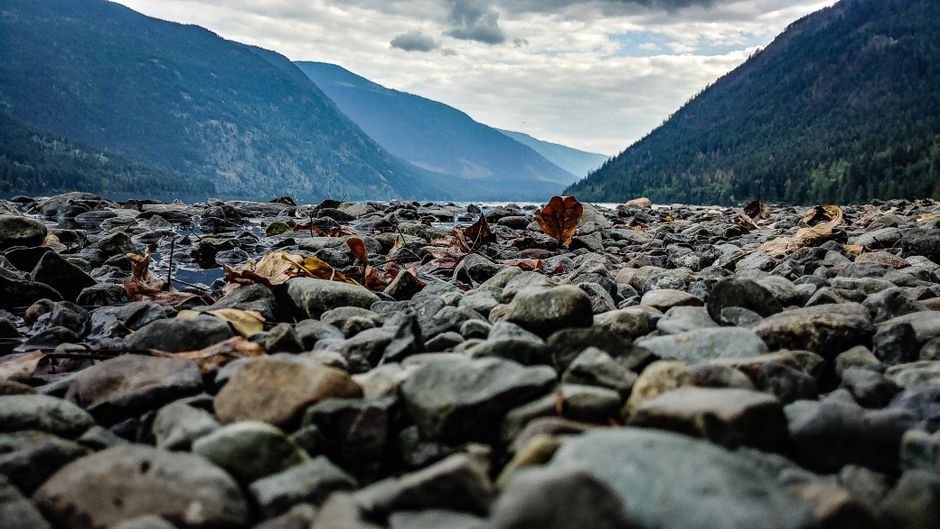
Set in the picturesque vineyards of British Columbia, Seven Stones Estate is a haven for wine enthusiasts and eco-lovers alike. The estate is powered by solar panels, ensuring an eco-friendly energy supply. It also features unique wine caves that naturally regulate temperature and humidity for wine storage. For visitors, a Tesla charging station is available, promoting the use of electric vehicles.
Villa Auva, Marrakech, Morocco

In the heart of Marrakech, Villa Auva combines traditional design with modern sustainability. The estate uses advanced solar technology to harness the abundant Moroccan sun. Its architecture reflects traditional Moorish design, offering a cultural aesthetic that is both timeless and environmentally friendly. A wellness center on the premises provides a holistic approach to health and relaxation, emphasizing the estate’s commitment to sustainable living.
These estates exemplify how climate friendly estates can offer luxurious living while prioritizing sustainability. Each property integrates innovative technologies and designs that not only reduce environmental impact but also improve the quality of life for their residents.
Frequently Asked Questions about Climate Friendly Estates
What is the most environmentally friendly type of housing?
The most environmentally friendly homes are those that focus on energy efficiency, use sustainable materials, and incorporate renewable energy sources. Eco-friendly houses often have a simple, compact shape like cubes or spheres to minimize surface area. This design reduces heat loss in the winter and heat gain in the summer.
Passive solar design is another key element. Homes built with a south-facing orientation and large windows can capture sunlight in winter, reducing the need for heating. Roof overhangs can block the sun in summer, cutting down on cooling needs. High-performance windows with double or triple glazing also help maintain energy efficiency.
What is meant by a climate-friendly home?
A climate-friendly home is designed to minimize its impact on the environment. It incorporates renewable energy like solar panels or wind turbines, and uses green products and sustainable materials such as bamboo or recycled wood. These homes aim for high energy efficiency, which means they use less energy to perform the same tasks, saving both money and resources.
Building orientation is also crucial. Homes that are oriented to take advantage of natural light and wind patterns can significantly reduce energy consumption. By using eco-friendly materials and designs, these homes provide a healthier living environment and help in conserving the planet’s resources.
What is the disadvantage of eco homes?
While eco homes offer numerous benefits, they come with certain challenges. The cost of building or retrofitting an eco-friendly home can be higher upfront. This is because sustainable materials and energy-efficient systems often cost more than traditional options. However, the long-term savings on energy bills can offset these initial expenses.
Another issue is material availability. Some sustainable materials might not be readily available in all areas, making it harder to source them locally. This can increase transportation costs and the overall carbon footprint of the building process.
Finally, there are construction challenges. Building an eco home requires specialized knowledge and skills, which not all contractors possess. Finding the right professionals to execute the vision of a climate-friendly estate can be a hurdle, but the end result is worth the effort for both the homeowner and the environment.
Conclusion
At Hutter Architects, we are committed to crafting homes that are not just buildings, but sustainable living environments. Our focus is on creating energy-efficient homes that are designed to last.
Future-proof design is at the heart of what we do. We use durable materials and flexible layouts that adapt to the changing needs of homeowners. This means fewer renovations over time, saving both resources and costs. Our homes are built to stand the test of time, blending timeless aesthetics with cutting-edge sustainability.
Energy efficiency is a key aspect of our design philosophy. We aim for net-zero energy usage by integrating advanced insulation, high-performance windows, and smart home technologies. These features not only reduce energy consumption but also improve comfort.
Our commitment to environmental sustainability means using sustainable materials like recycled steel and responsibly sourced wood. We often incorporate elements like rooftop gardens, which support biodiversity and reduce environmental impact.
Choosing Hutter Architects means investing in a home that balances eco-friendliness with modern comforts. Our sustainable house designs are a testament to our dedication to building a greener future. Join us on this journey toward climate-friendly living, and let’s create a better tomorrow together.


